Making stable and reliable connectivity truly “ubiquitous” is a critical enabler of the United Nations Sustainable Development Goals (SDGs), including Industry, Innovation and Infrastructure and Sustainable Cities and Communities. Across the Asia–Pacific, overcoming geographical and resource constraints to extend information links to every remote corner remains an urgent, real-world challenge that calls for technological solutions. Professor Yang Fan and his team from the Department of Electronic Engineering of Tsinghua University present their answer: Reconfigurable Intelligent Surface (RIS) technology. By offering a simple and lightweight approach, RIS seeks to transform capabilities traditionally reliant on bulky phased-array systems into flexibly deployable intelligent surfaces, enabling robust connections to reach mountains, oceans, and rural communities.
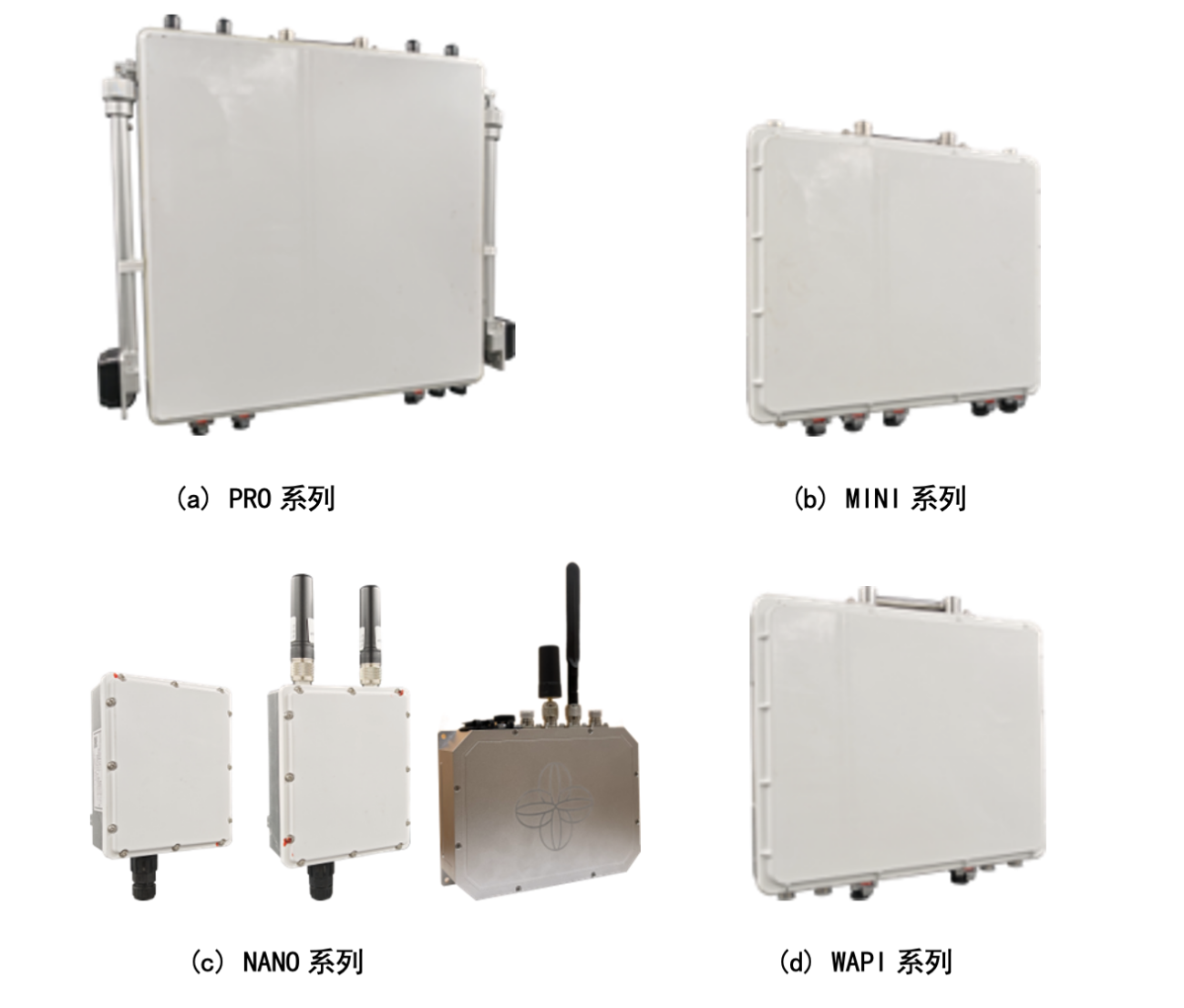
Commercially mature RIS antenna products currently available.
Connecting a Blue Future: Reliable Links for Maritime Workers
In June last year, with support from Guangdong Tongke of China Southern Power Grid, the team completed a 50 km offshore long-range stable communication demonstration. Ultimately, the value of a technology lies in the practical problems it can solve.
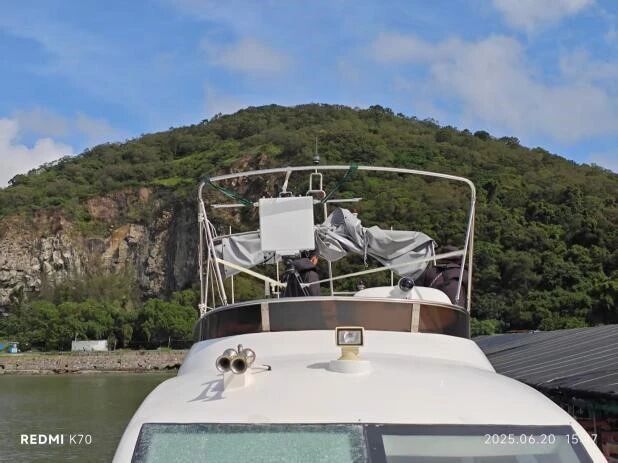
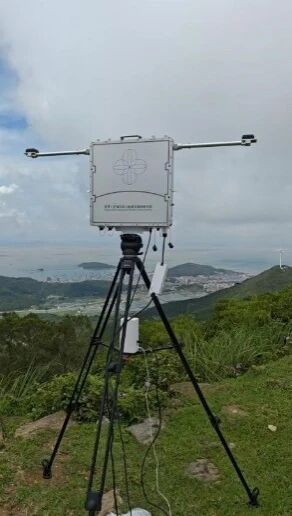
Experimental setup (left: offshore equipment; right: onshore equipment).
Beyond coastlines where conventional communication infrastructure is difficult to extend, many fishing vessels lose contact with the mainland once they head offshore. Storm warnings may not reach crews in time; emergency calls may fail; market information becomes inaccessible. By deploying RIS devices, a stable information link can be established between the coast and vessels at sea. This approach does not rely on large base-station infrastructure, is flexibly deployable, and features relatively low energy consumption—providing essential connectivity for maritime workers who have long remained outside digital coverage.
RIS also shows promise for marine ecological monitoring. From coral reefs to exclusive economic zones, a central challenge in marine conservation is the real-time backhaul of monitoring data. By deploying intelligent networking nodes on key islands and platforms, distributed sensor data—such as water quality indicators, biodiversity observations, and signals of illegal activities—can be streamed in real time into conservation networks, enabling more timely, data-informed ocean governance.
In far-offshore wind farms, limited connectivity has long impeded operations and maintenance. Turbines located far from the mainland can become information “islands,” forcing fault diagnosis and maintenance to rely on repeated vessel trips—constraining efficiency and driving up costs. Building a communication network that interconnects these energy platforms enables inspection instructions and operational data to flow in real time, supporting more efficient maintenance for offshore wind power.
From Patrol to Protection: Remote Sensing in Complex Environments
In the Hengduan Mountains of Southwest China, a major power transmission corridor traverses primeval forests at elevations exceeding 3,000 meters. In the past, line patrol personnel had to trek for days through uninhabited areas to complete inspection tasks—under harsh conditions and with nontrivial safety risks. Meanwhile, frequent human presence can also disturb fragile ecosystems.
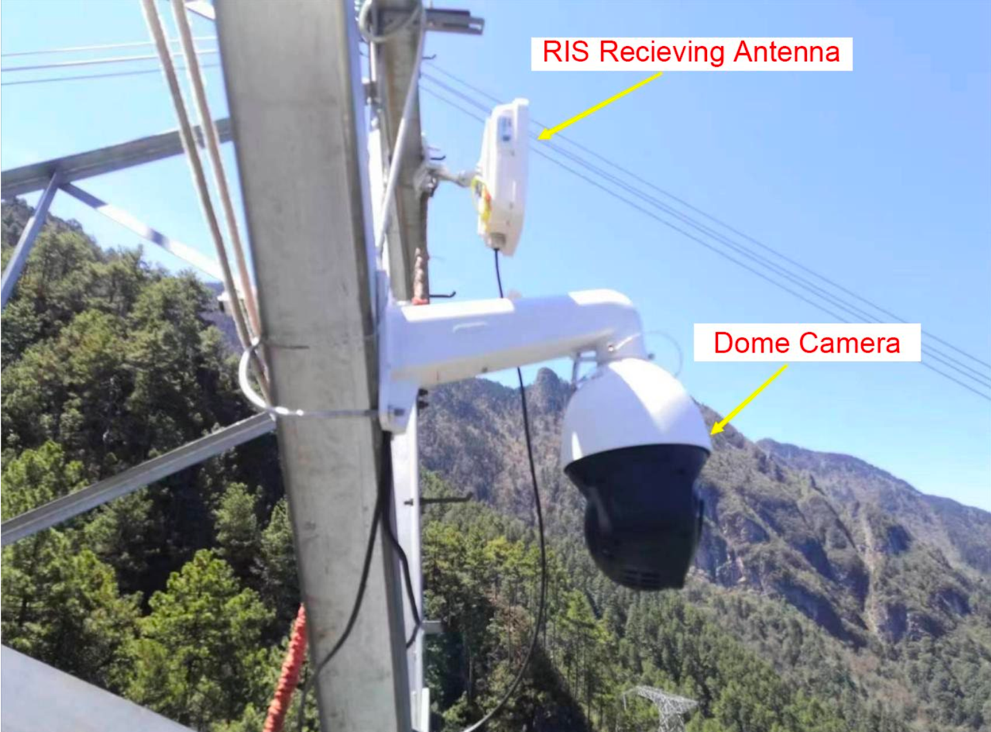
Deploying an intelligent sensing system at key nodes.
The team deployed a remote sensing system in this region. By installing devices at critical nodes, transmission facilities can be continuously monitored without entering core areas. Inspection tasks once requiring on-site personnel can now be converted into real-time imagery and data streamed back to a command center. This system helps remove humans from extreme environments while reducing disturbance to the natural ecosystem.
This application illustrates that infrastructure operation and environmental protection need not be a zero-sum choice. With appropriate technologies, it is possible to maintain system safety while minimizing ecological impacts—enabling a more sustainable approach to operations and maintenance.
Rebuilding Connectivity After Disasters: A Rapid-Response Solution for Emergency Communications
In 2024, Typhoon Yagi struck Hainan Island. In severely affected areas, conventional communication networks collapsed: command centers could not obtain frontline information, and rescue forces were difficult to dispatch with precision. In the early phase of a disaster, information breakdown often amplifies confusion and reduces the effectiveness of relief operations.
The team provided the on-site command center with a rapidly deployable communication system. In the post-disaster environment, engineers set up temporary communication nodes within 20 minutes. These nodes then interconnected and progressively formed a communication network covering the affected area.
As connectivity returned, tangible changes followed: real-time feeds from remote areas appeared on command-center screens, allowing decision-makers to directly assess road damage and crowd distribution; frontline responders could receive unified instructions on their mobile phones, turning dispersed actions into coordinated operations; affected residents could contact their families and confirm one another’s safety.
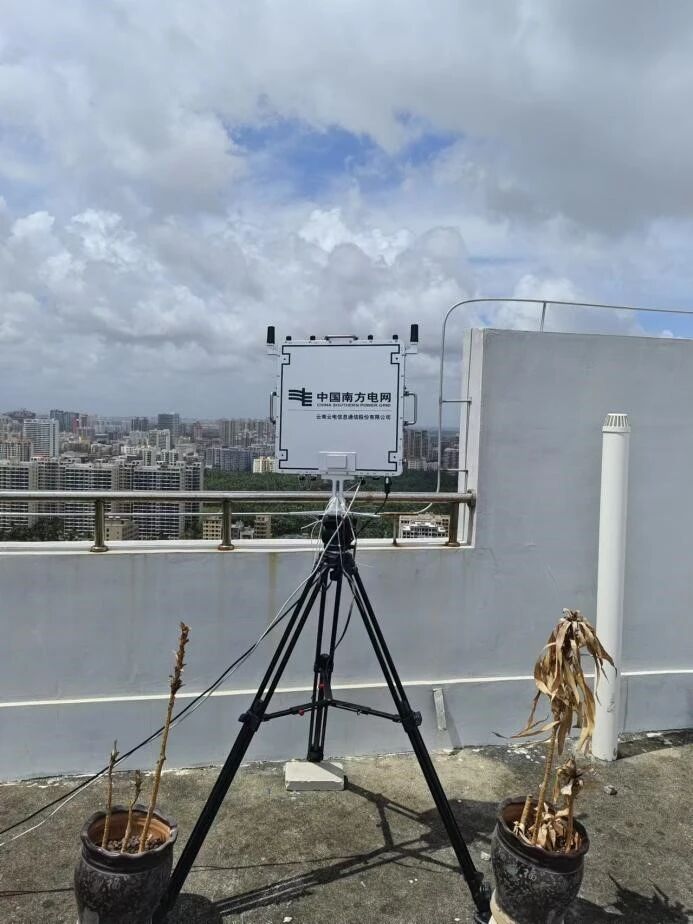
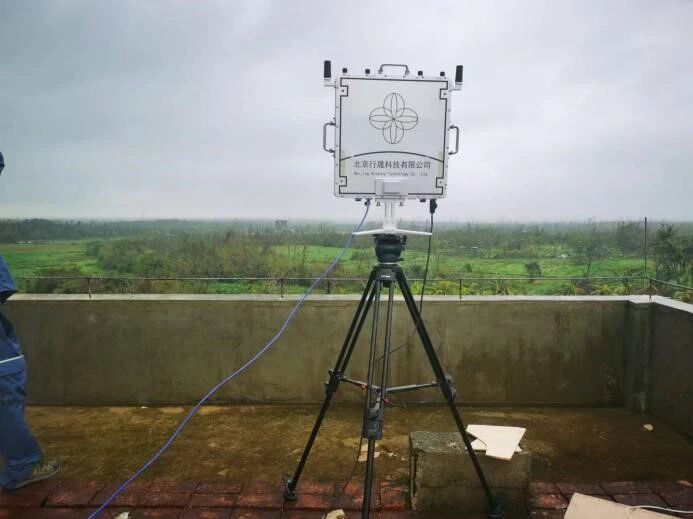
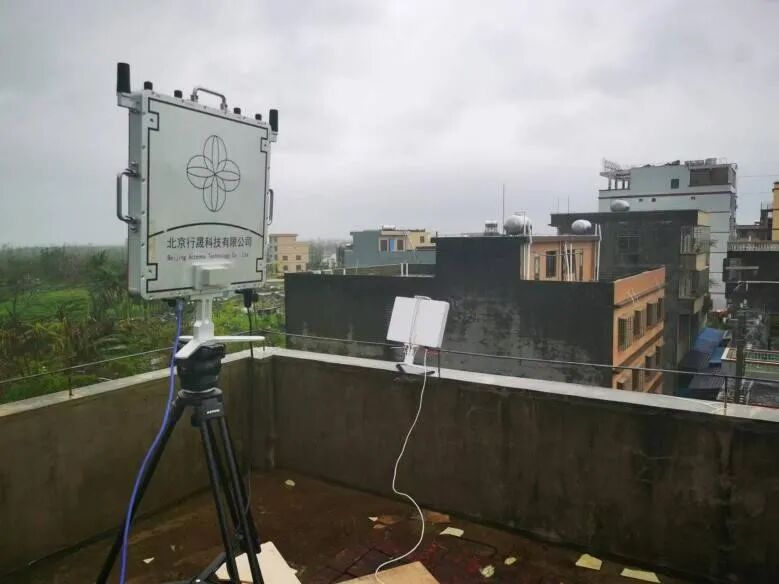
Communication equipment.
In disasters, information is as essential as food, water, and shelter. The core of this solution is that it is fast, lightweight, and independent of pre-existing infrastructure—delivering basic communication capability where and when it is needed most, for both responders and impacted communities.
From oceans to mountain ranges, from routine maintenance to emergency response, Professor Yang Fan’s team has pursued a straightforward objective: enabling stable connectivity to reach places that conventional technologies struggle to cover. This is not only a technological exploration, but also a rethinking of what “connection” means. When information can flow equitably to every corner, it supports safer production, more effective environmental protection, and timelier rescue—advancing sustainable development in concrete and measurable ways.
In recent years, the Department of Electronic Engineering at Tsinghua University has maintained in-depth exchanges with UN agencies to explore how cutting-edge technologies can empower the Sustainable Development Goals (SDGs). In October 2024, representatives from five international organizations—including the International Telecommunication Union (ITU) and the World Health Organization (WHO)—visited the department, where faculty and students presented innovations in AI and big data platforms applied to urban planning, smart transportation, and personalized healthcare. In October 2025, Ms. Armida Salsiah Alisjahbana, Executive Secretary of the United Nations Economic and Social Commission for Asia and the Pacific (UNESCAP), visited Tsinghua’s Department of Electronic Engineering and observed demonstrations of humanoid robots, bionic faces, and urban simulators. The visit offered insight into how the department translates real-world needs into tangible AI-powered solutions for social good.
From February 24 to 27, 2026, Tsinghua University will be invited to participate in the 13th Asia-Pacific Forum on Sustainable Development (APFSD) in Bangkok, Thailand, where it will further share its SDG-driven technological solutions on an international stage.