原文来自清华大学电子工程系:
https://mp.weixin.qq.com/s/A3aOU-g7tLjKAe1g6UJTPw
On the morning of March 29, 2026, a delegation of over 30 members from the United Nations Food and Agriculture Organization (FAO) , Small Island Developing States (SIDS), and Chinese Ministry of Agriculture and Rural Affairs (MARA) visited Tsinghua University. The delegation, comprising government officials from Grenada, Cape Verde, Comoros, Fiji, and Vanuatu, along with FAO technical experts, joined faculty from the Department of Electronic Engineering (EE), the Department of Building Science (DBS) under the School of Architecture, and the Department of Earth System Science (DESS) for a South-South Cooperation Knowledge Sharing Workshop on Digital Agriculture and Energy Transition.
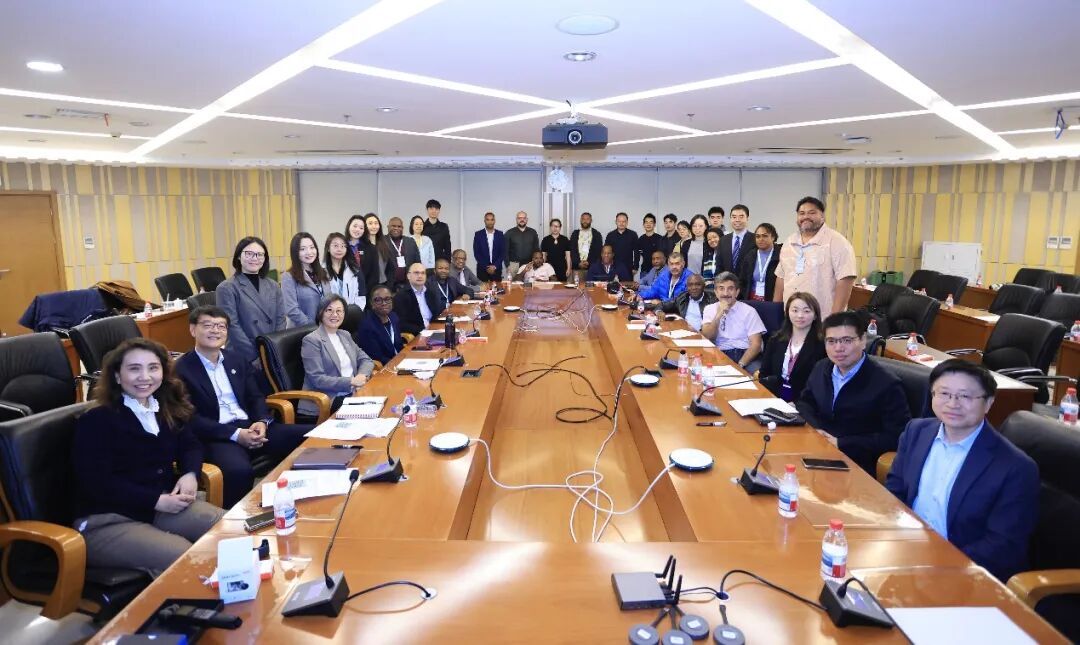
Group photo of participants
At the workshop, Prof. Maokun Li, Deputy Chair of EE, delivered welcome remarks and provided an overview of the department. Prof. Xudong Yang from DBS presented scalable models for zero-carbon rural energy transformation — including distributed photovoltaics, biomass energy, and energy-efficient buildings — drawing on experience from UNDP projects. Prof. Liang He from EE introduced the team's latest achievements in smart agriculture: an AI and IoT-powered smart farm system deployed at a national-level farm in Northwest China, which has achieved significant reductions in water and fertilizer uses, and increase in crop yield. Prof. Zhijin Qin from EE delivered a presentation on semantic-aware wide-area communications, exploring how such networks can support massive access for emergency services and remote area connectivity. In Session II, Prof. Wei Li, Vice Director of DESS, gave welcome remarks, followed by an in-depth presentation by Prof. Le Yu on crop monitoring and modeling for climate-smart agriculture.
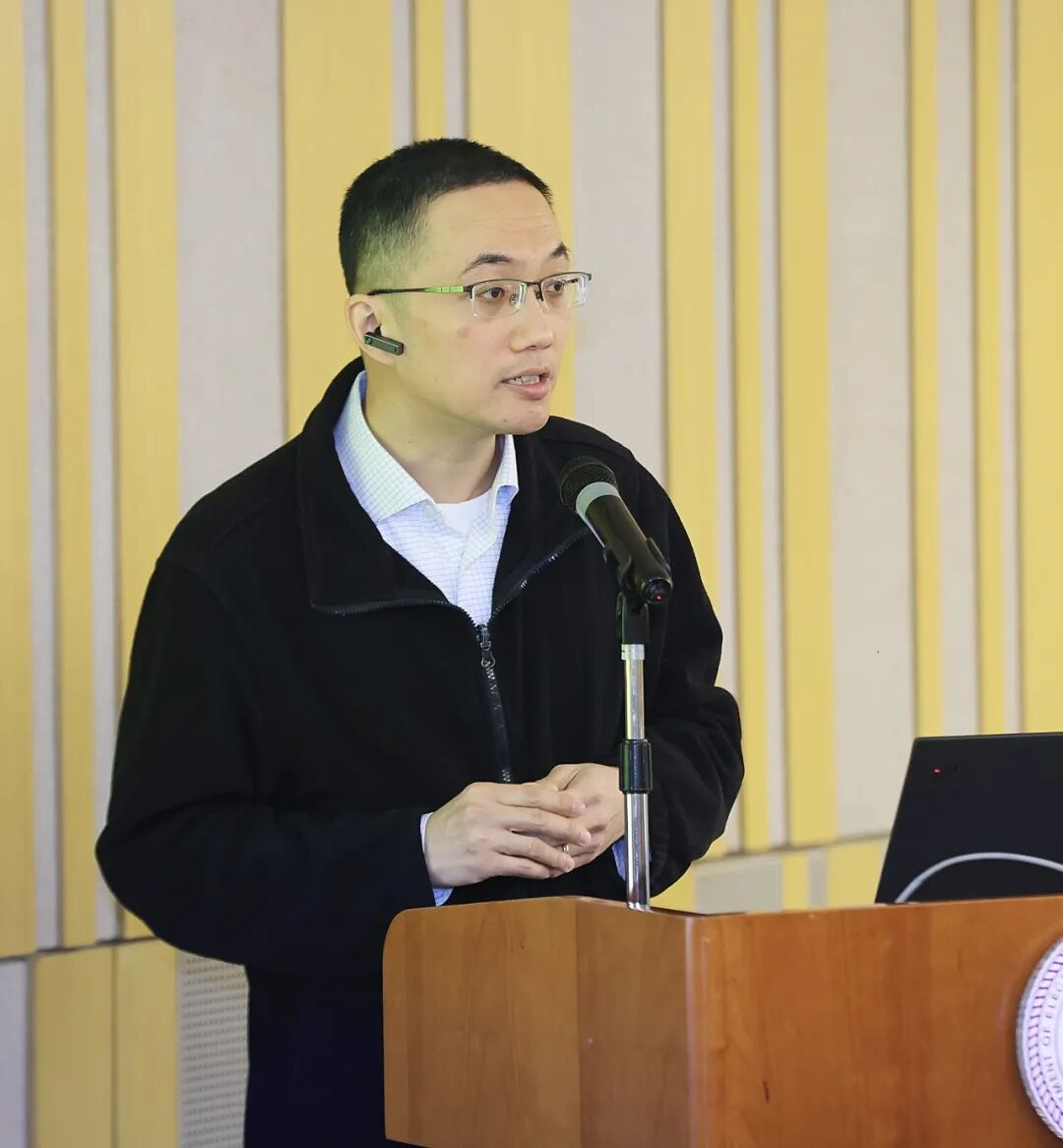
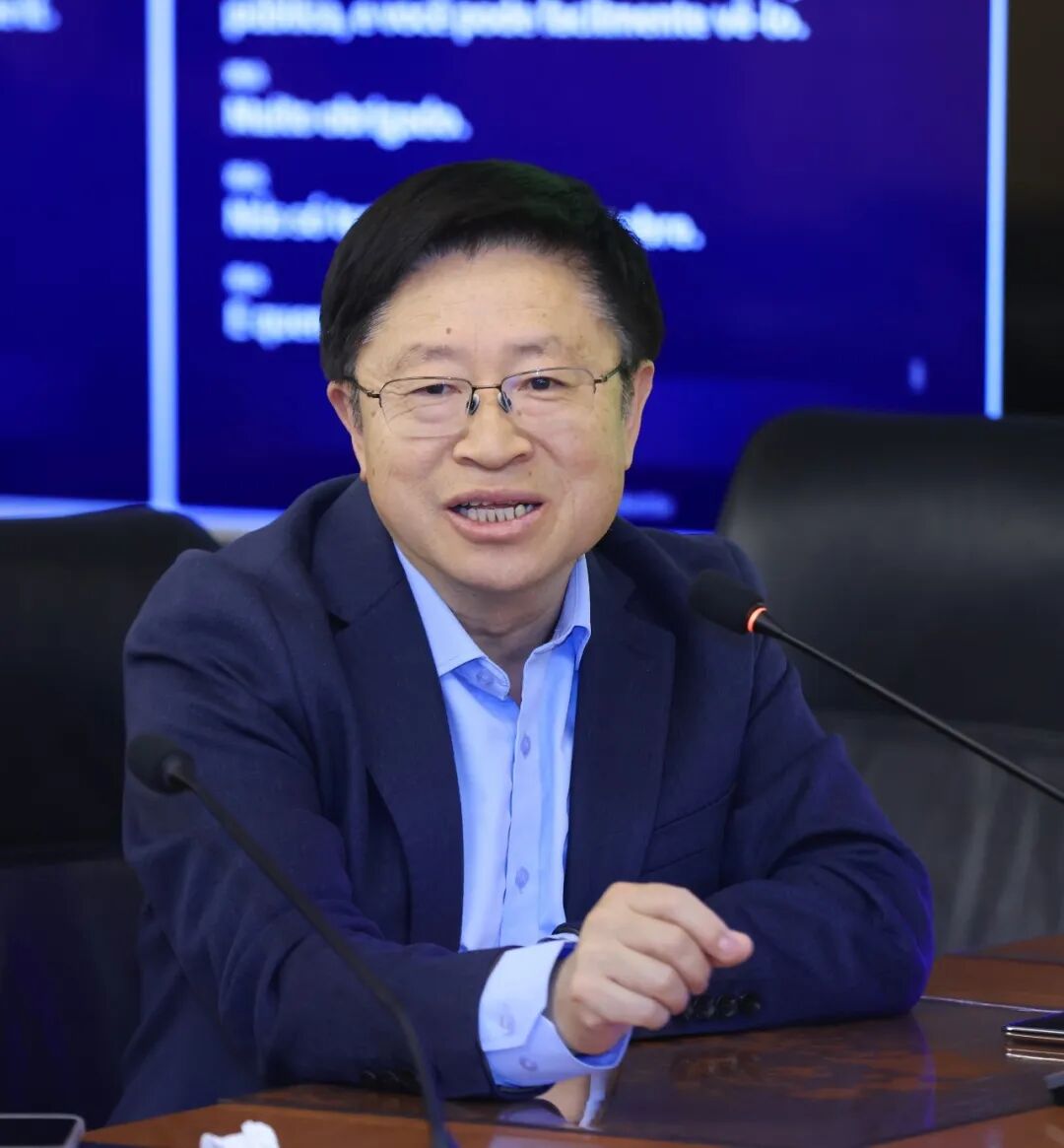
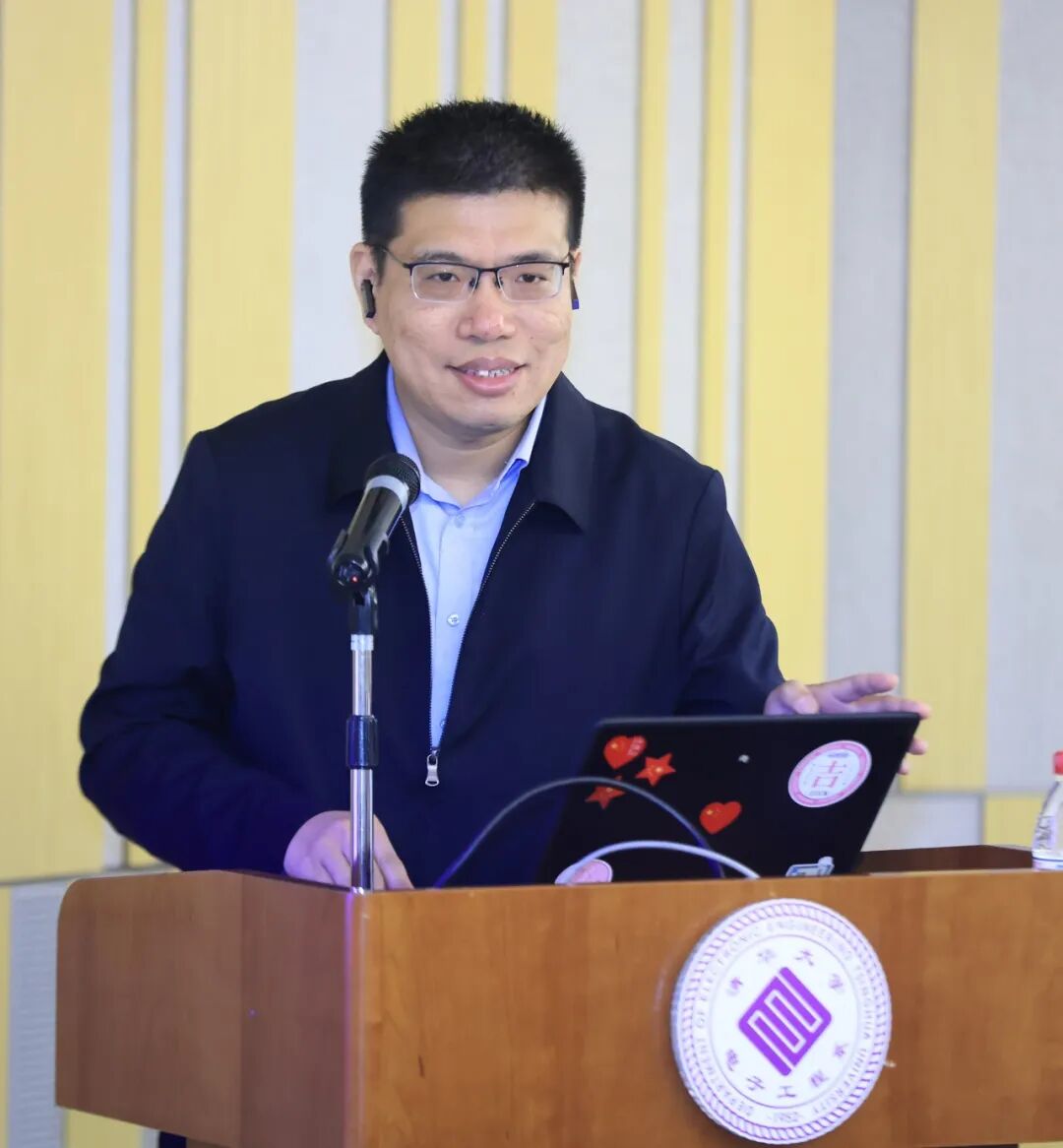
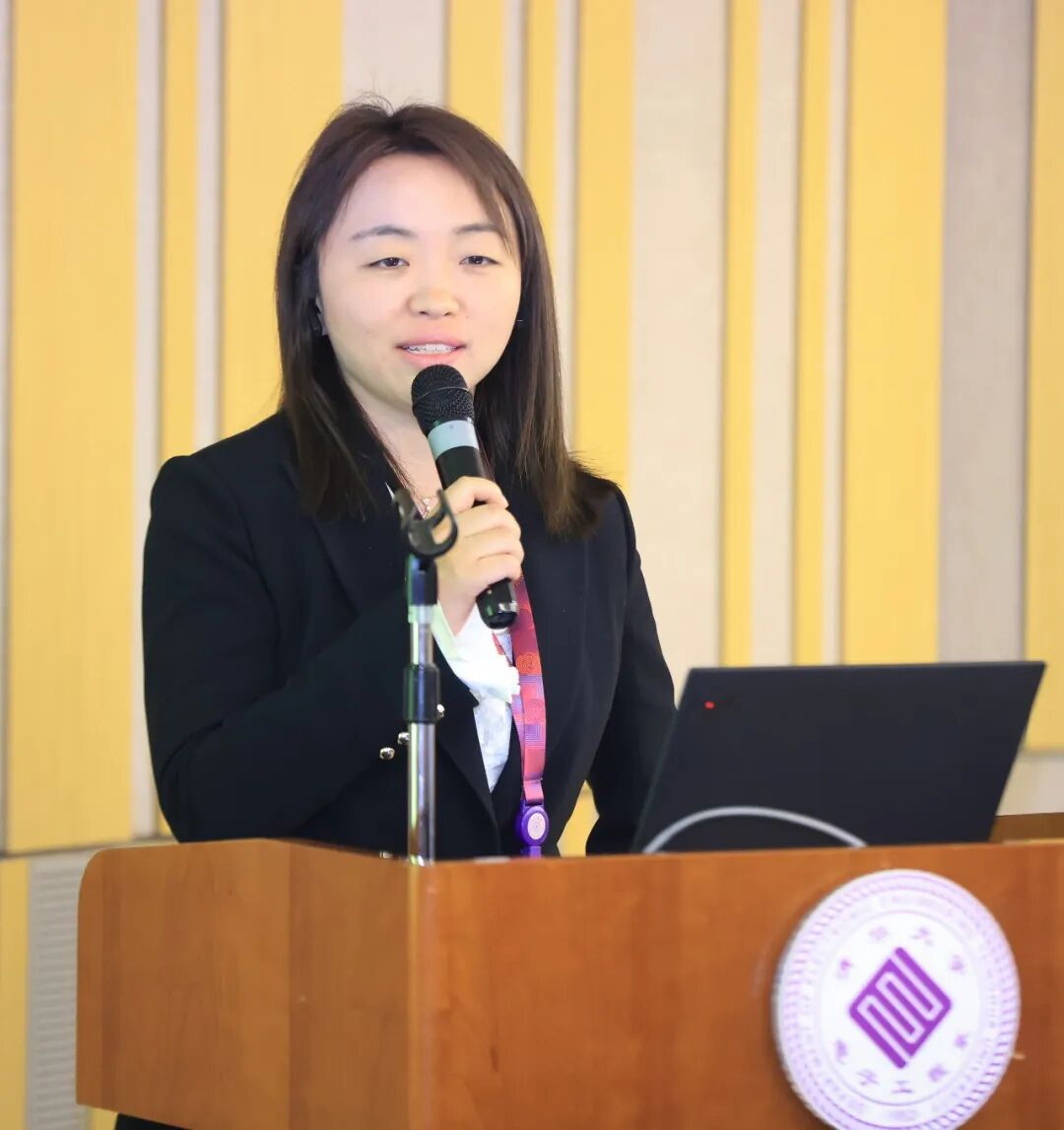
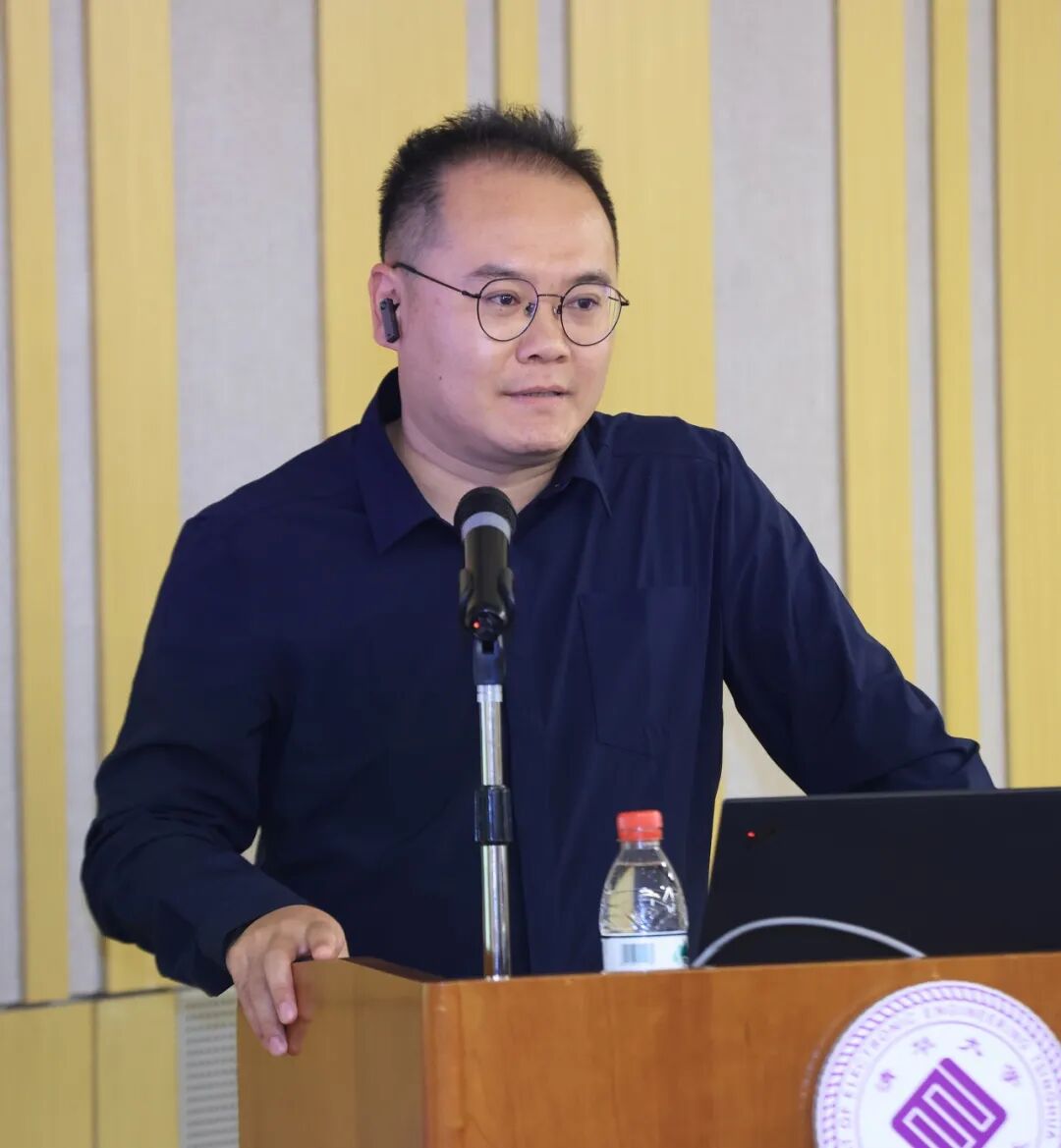
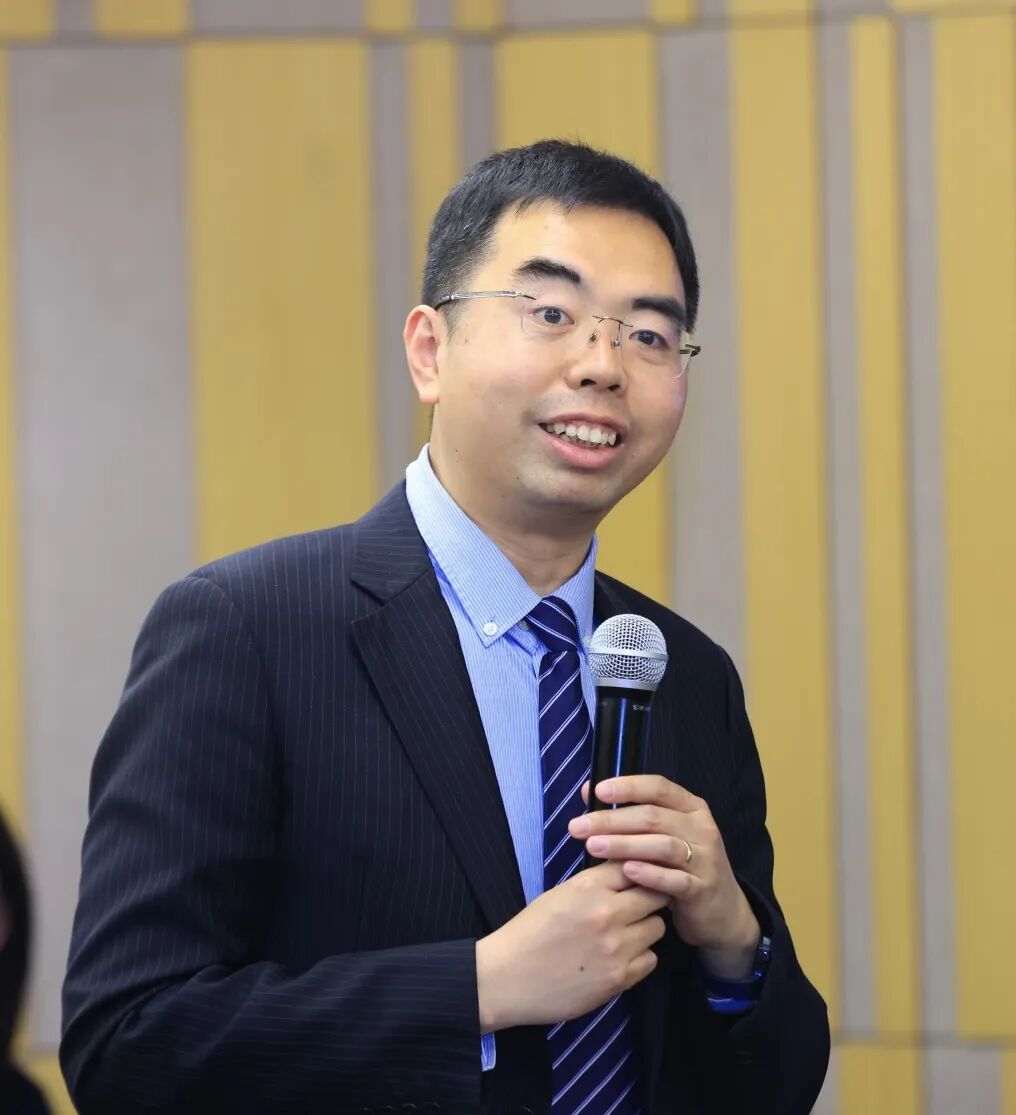
From top to bottom, from left to right
Maokun Li, Xudong Yang, Liang He, Zhijin Qin, Wei Li, Le Yu
FAO officials and SIDS representatives actively engaged in discussions, exchanging views with Tsinghua experts on how technologies such as artificial intelligence and the Internet of Things can be applied to agricultural production and clean energy transition in their respective countries.
The workshop highlighted Tsinghua University's multidisciplinary strengths in digital agriculture, energy transition, and earth system science, and deepened mutual understanding between both sides on addressing the challenges of building climate-resilient food systems in Small Island Developing States. It laid a solid foundation for pragmatic cooperation under the South-South Cooperation framework. Both sides look forward to continued and deepened collaboration in the field of sustainable development, ensuring that scientific and technological innovation delivers tangible benefits to people in developing countries and regions around the world.