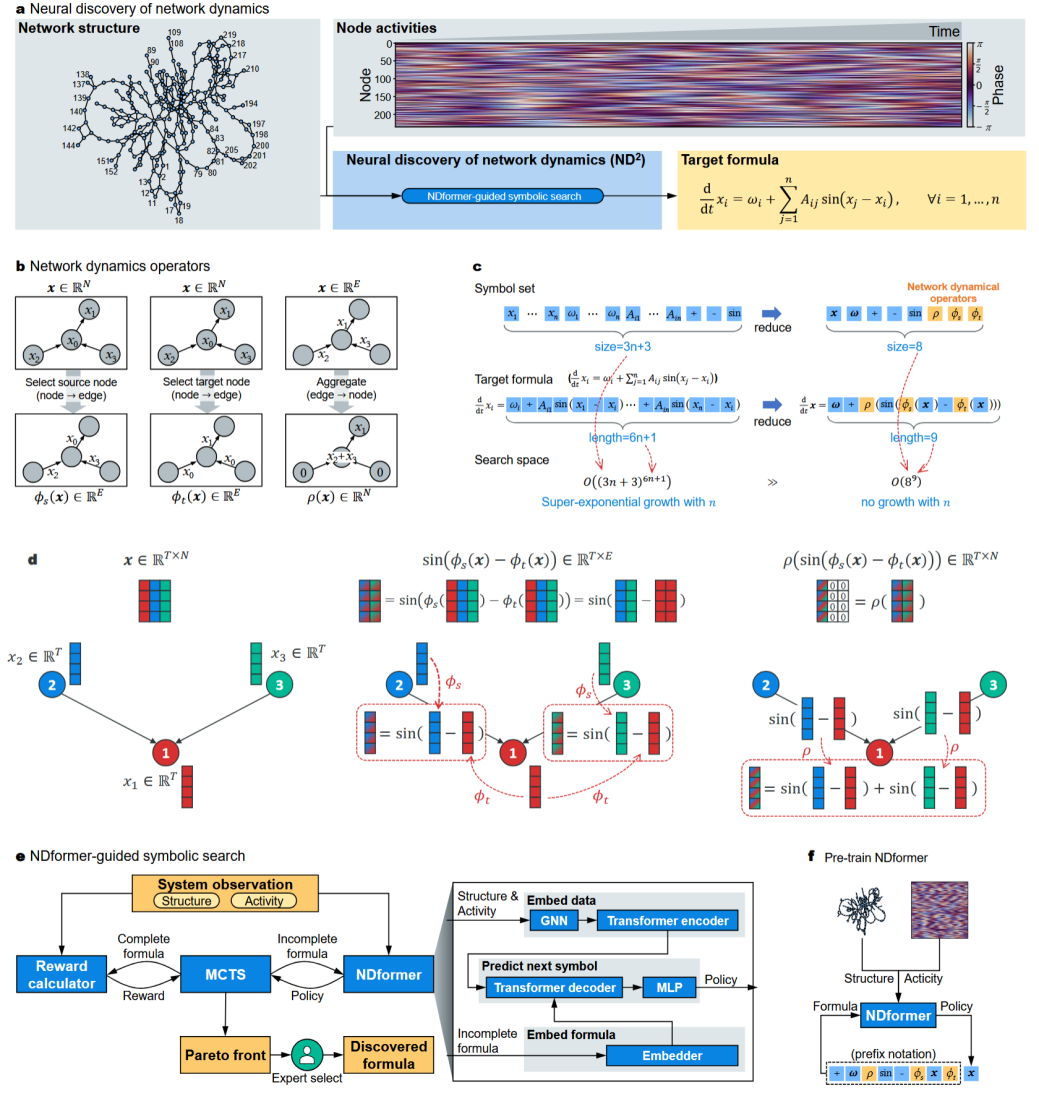
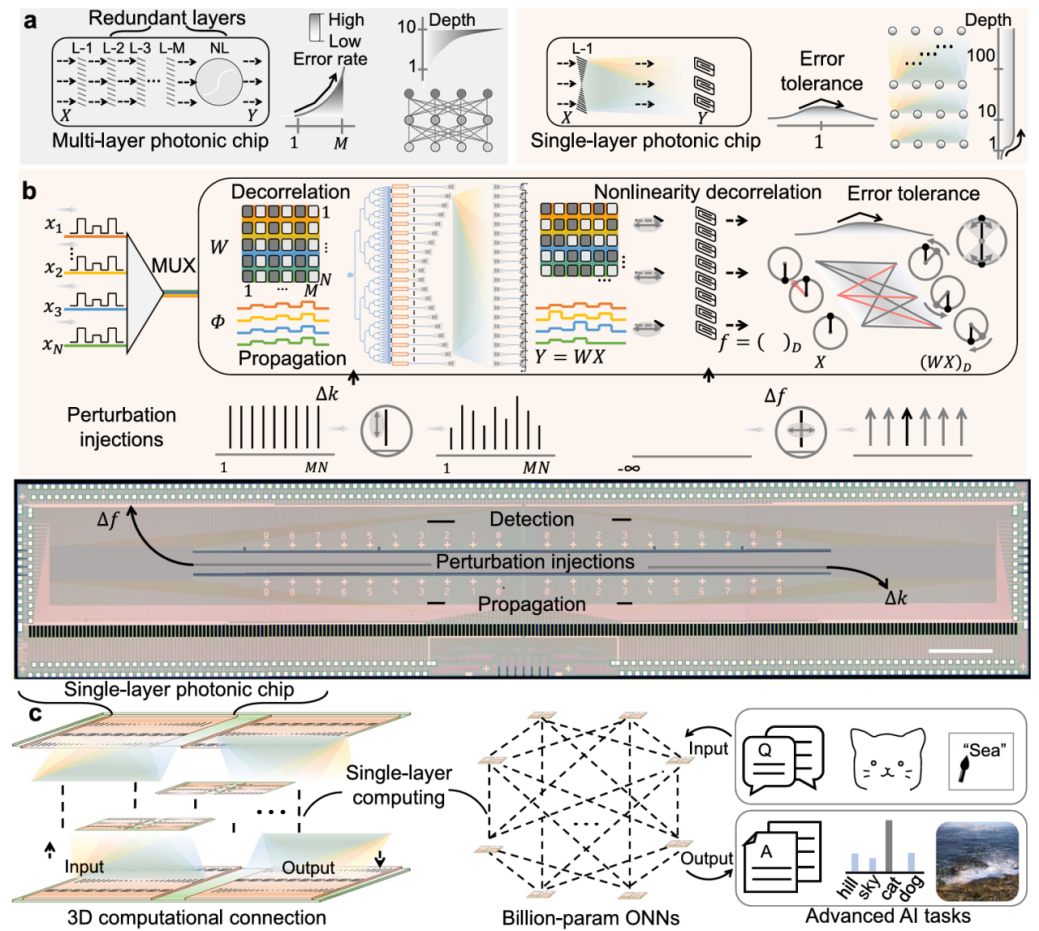
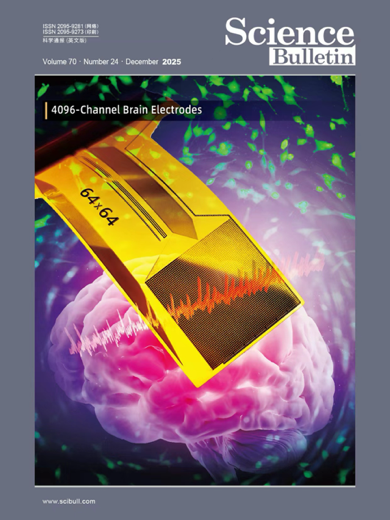
On January 11, 2026, the AI for Science Frontier Exploration Symposium & 27th Alumni Forum was held in the 3rd Floor Lecture Hall of Electronic Engineering Building, Tsinghua University. Themed “AI Empowerment, Breaking Boundaries in Tech Innovation,” the forum was organized by the Department of Electronic Engineering of Tsinghua University and the Department of Electronic Engineering Alumni Association of Tsinghua University, and co-organized by the Tianjin Electronic Information Research Institute of Tsinghua University, Beijing Zhongguancun Academy, Institute for AI Industry Research (AIR) of Tsinghua University, SEE Fund, Gaorong Ventures, Infinigence AI, and Unbounded Technology. The forum brought together numerous academic experts, industry leaders, alumni representatives, and young scholars. More than ten thousand participants attended online and offline, focusing on “AI for Science” as the core theme to explore the frontier paths of integrating artificial intelligence with basic sciences and build consensus for the high-quality development of the electronic information field.
Opening Ceremony: Gathering of Experts, Discussing the Mission of the Times
Yu Wang, Chair of the Department of Electronic Engineering of Tsinghua University, President of the Department of Electronic Engineering Alumni Association of Tsinghua University, and Dean of the Tianjin Electronic Information Research Institute of Tsinghua University, hosted the opening of the main forum. He pointed out that artificial intelligence is advancing together with physics, chemistry, and other basic disciplines. AI is not merely a technological tool but is leading a profound transformation of research paradigms and a systematic reshaping of industrial structures. The EE Department has always leveraged its disciplinary strengths, combining high-level research with major national needs, and is committed to advancing China’s electronic engineering discipline from “follower” to “leader.”
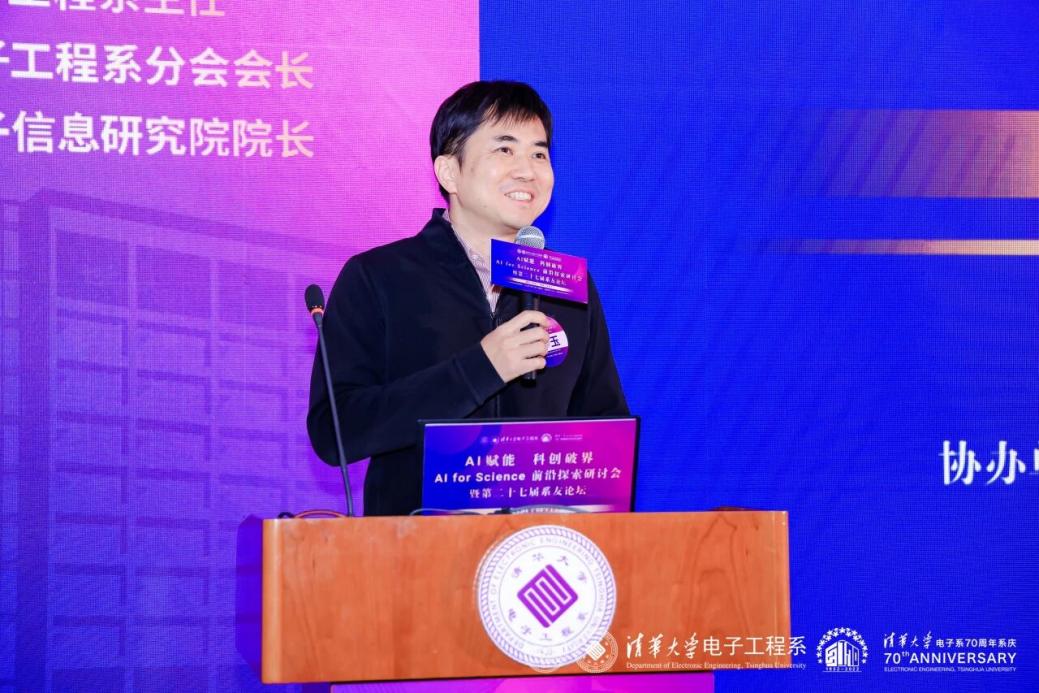
Yu Wang hosted the opening of the forum
Huaqiang Wu, Member of the Standing Committee of the Party Committee and Vice President of Tsinghua University, reviewed Tsinghua's over forty years of deep cultivation in the AI field -- from establishing the first "Artificial Intelligence and Intelligent Control" teaching and research group in 1978, to setting up the first intelligent robotics laboratory and the first state key laboratory in the intelligent field. Wu noted that AI for Science had become a peak of global technological competition. Tsinghua University was promoting interdisciplinary integration of AI with multiple disciplines through initiatives such as establishing cross-disciplinary platforms and deepening AI-empowered educational reforms. He expressed the hope that this forum would serve as an opportunity to foster cross-sector collaboration and an innovation ecosystem, contributing Tsinghua's strength to China's AI development.
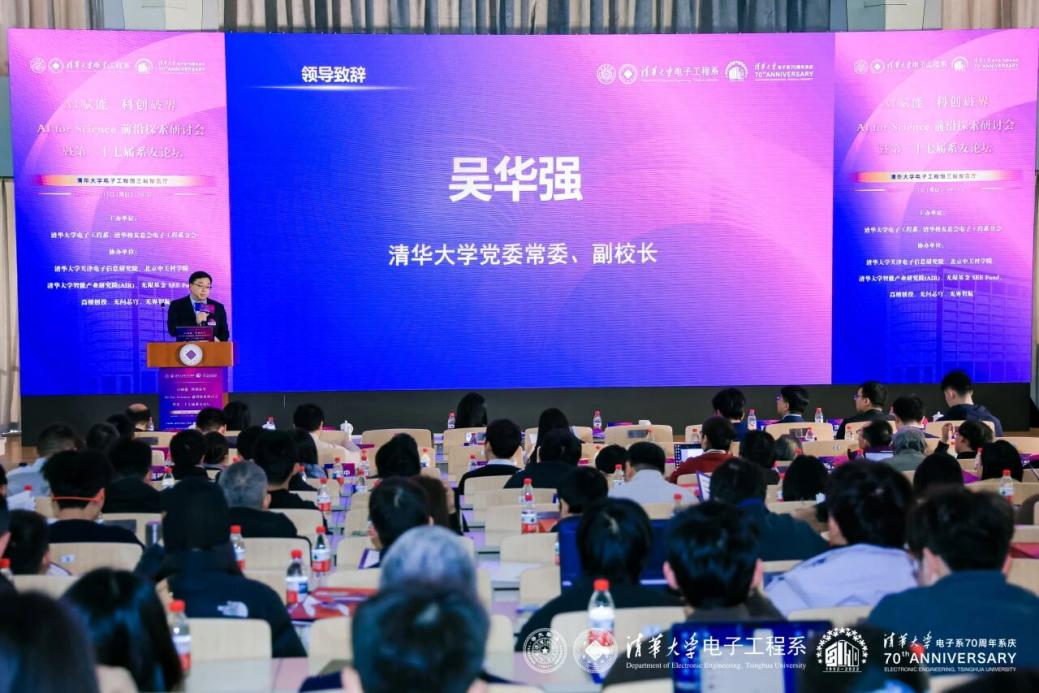
Huaqiang Wu delivered a speech
Chao Tang, Deputy Director of the Management Committee of Zhongguancun Science City and Vice District Mayor of Haidian District, shared the layout and prospects of AI technology from a regional development perspective. She stated that Haidian, as the core area of the Beijing International Science and Technology Innovation Center, brought together 37 universities, 12,300 AI experts and scholars, and over 1,900 AI enterprises, forming a full-industry-chain layout. She particularly emphasized that Haidian District and Tsinghua University had signed a strategic cooperation plan for building an AI highland in 2024. She looked forward to using the forum as a bond to activate the linkage between the alumni network and the regional innovation ecosystem, breaking down disciplinary barriers, innovation dead ends, and spatial limitations, and called for joint efforts to shape a new pattern of two-way empowerment between AI and basic sciences, promoting the implementation of more achievements.
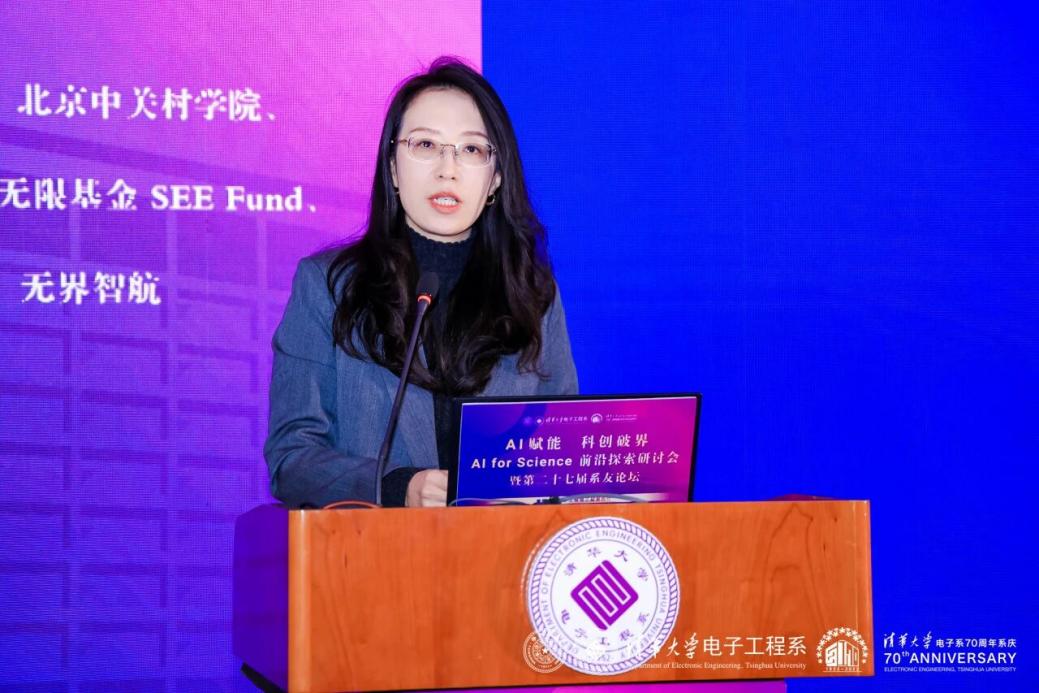
Chao Tang delivered a speech
Keynote Presentations: Converging at the Frontier, Decoding the Core Path of AI for Science
During the keynote session, Wang Xin, Managing Director of Gaorong Ventures and Secretary-General of the Department of Electronic Engineering Alumni Association of Tsinghua University, served as the moderator. Six industry leaders decoded the core paths of AI-science integration from multiple dimensions, including basic research, technological innovation, and industrial application.
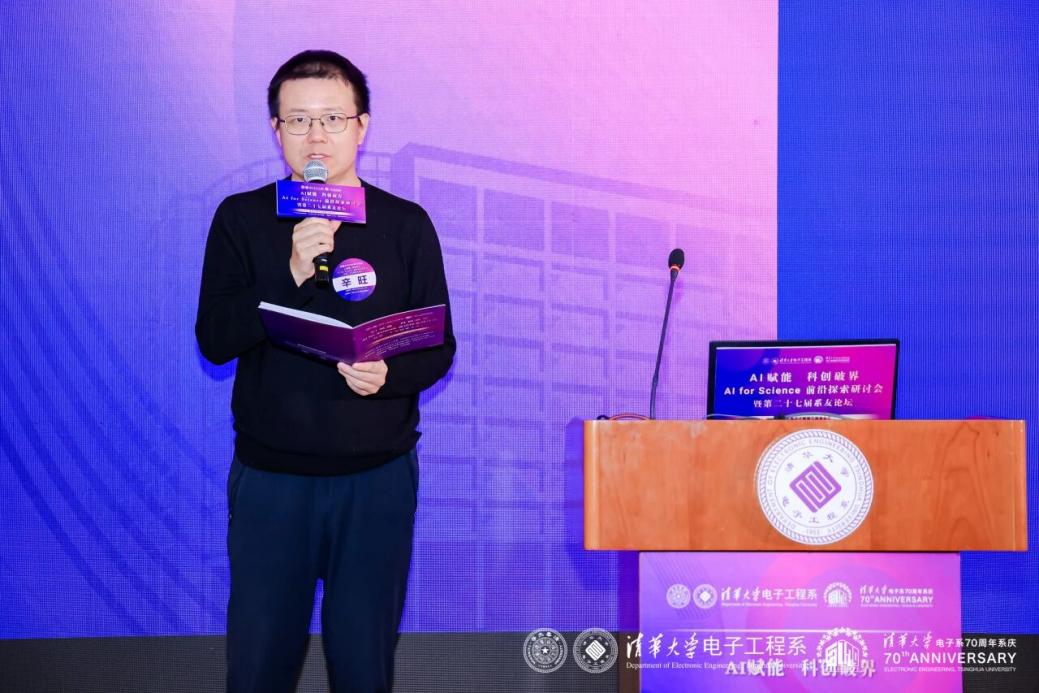
Wang Xin moderated the session
Tieyan Liu, Secretary of the Party Committee and Dean of Beijing Zhongguancun Academy, spoke on the theme "Ultra-Foundational and Ultra-Applied: Advancing New Frontiers in AI," sharing the academy's practical achievements in building ultra-large-scale computing systems, developing virus classification algorithms with high accuracy and strong generalization capabilities, and cultivating AI leaders. Linfeng Zhang, Chairman of the Beijing Institute of Scientific Intelligence and Founder & Chief Scientist of DP Technology, focused on "Bohrium + SciMaster," proposing a path toward large-scale intelligent science through an "infrastructure + ecosystem" collaborative system. Dajun Zeng, Deputy Director and Researcher of the Institute of Automation, Chinese Academy of Sciences, using the CAS Panshi foundational scientific model as an example, discussed how to build scientific models for specialized research and the importance of formulating AI-Ready scientific problems. Yanyan Lan, Professor at Tsinghua University and Deputy Dean of the Institute for AI Industry Research, shared five core paradigmatic reflections on AI for Science in the field of AI-driven drug discovery. Jifeng Dai, Associate Professor at the Department of Electronic Engineering, Tsinghua University, proposed the concept of "interactive expansion," exploring the transition from language models to retrievable, verifiable, and inferable intelligent agent models. Fengli Xu, Assistant Professor at the Department of Electronic Engineering, Tsinghua University, shared the transformation of AI agents and scientific automation from "assistive tools" to "partners" from the perspective of improving research efficiency.
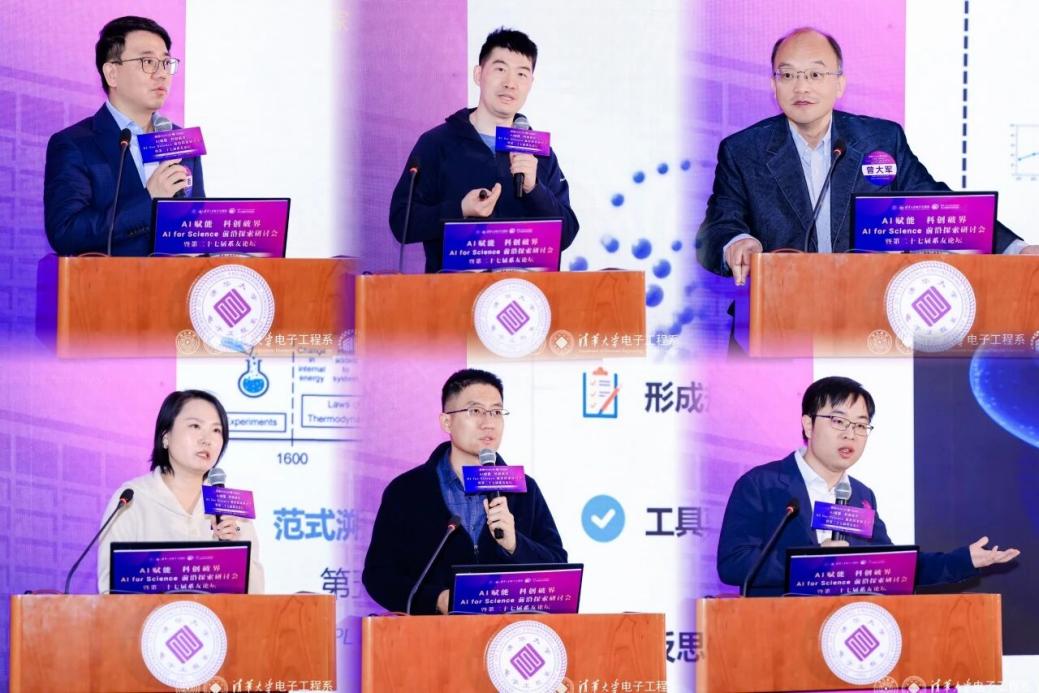
Keynote presentations
(top row left to right: Tieyan Liu, Linfeng Zhang, Dajun Zeng; bottom row left to right: Yanyan Lan, Jifeng Dai, Fengli Xu)
Subsequently, a roundtable discussion titled "AI-Driven Scientific Paradigm Change: Frontiers and the Future" was moderated by Yong Li, Professor at the Department of Electronic Engineering, Tsinghua University. Siheng Chen, Associate Professor at Shanghai Jiao Tong University, shared the development and application of the general intelligent agent SciMaster. Lei Bai, Young Scientist at the Shanghai Artificial Intelligence Laboratory, introduced achievements and applications of large models such as the Scholar Science Multimodal Foundation Model Intern-S1. Haohuan Fu, Professor at Tsinghua Shenzhen International Graduate School, presented the current status and future plans for AI discipline construction at the Shenzhen campus and shared the latest developments in supercomputing. The guests engaged in an in-depth dialogue on core issues including technical bottlenecks, innovation paths, and industrial transformation related to the integration of AI and basic sciences, providing diverse perspectives for the field.
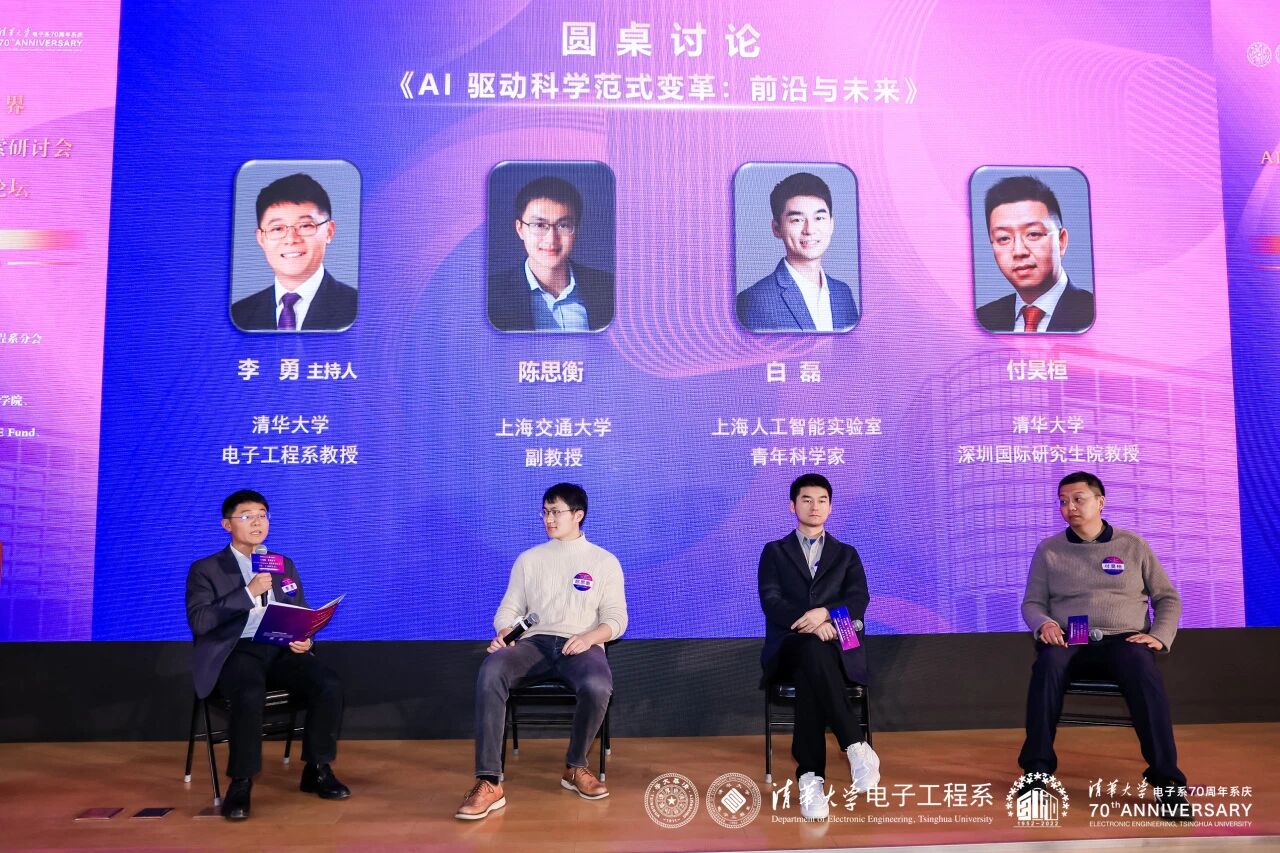
Roundtable forum
(from left to right: Yong Li, Siheng Chen, Lei Bai, Haohuan Fu)
Parallel Forums: Focused Discussions, Deepening AI Empowerment in Niche Areas
The afternoon agenda was divided into two themes: "AI-Empowered Scientific Research" and "AI-Empowered Frontier Exploration."
In the "AI-Empowered Scientific Research" session, hosted by Jingbo Tan, Postdoctoral Fellow at the Department of Electronic Engineering, Tsinghua University and Deputy Secretary-General of the Department of Electronic Engineering Alumni Association of Tsinghua University. Sanzhong Luo, Professor at the Department of Chemistry, Tsinghua University, elaborated on "AI Molecular Catalysis: Data, Intelligence, and Modeling," sharing examples of AI applications in chemical research. Mingjun Yang, Chief Research Scientist at XtalPi, spoke on "Building a New Paradigm for Material Discovery with AI and Automation," discussing key challenges and solutions for constructing autonomous laboratories for new substance discovery, as well as XtalPi's achievements and future plans. Haozheng Tang, Associate Professor at the School of Physical Science and Technology, Beijing University of Posts and Telecommunications, addressed "Opportunities and Challenges of AI4MS," analyzing the revolutionary opportunities of AI-empowered materials science in accelerating R&D cycles, as well as challenges such as scarce high-quality datasets and insufficient model interpretability. Jiadong Gong, Deputy Dean and Chief Technology Officer of the Hong Kong Institute of Contemporary Technology (CATL), presented "AI Scientific Research: Goal or Means?" sharing reflective and sober thoughts on the contemporary "AI research craze" and human-machine collaboration in AI materials R&D.
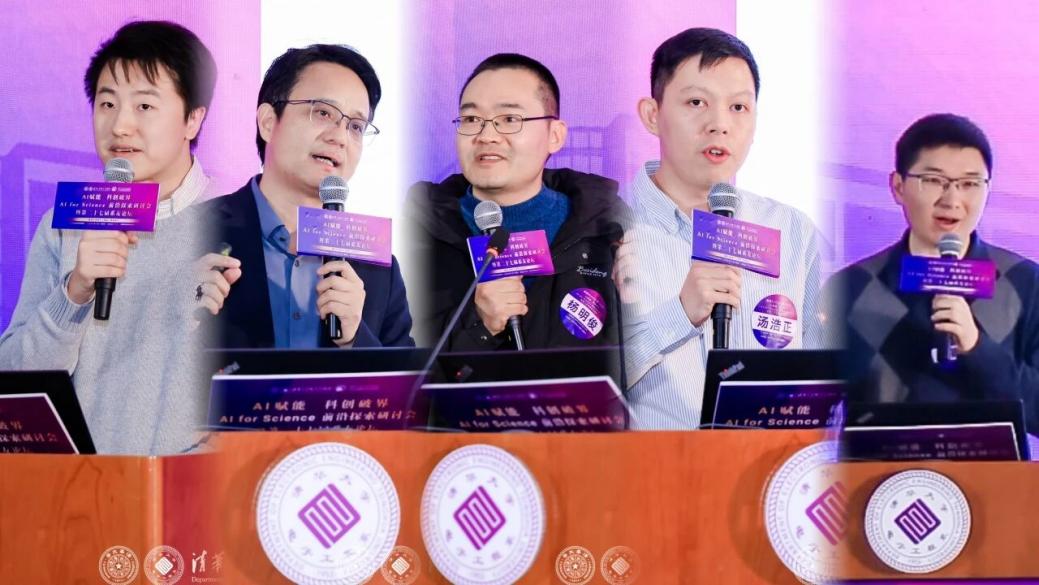
"AI-Empowered Scientific Research" keynote presentations
(from left to right: Jingbo Tan, Sanzhong Luo, Mingjun Yang, Haozheng Tang, Jiadong Gong)
Then, Heng Zhang, Investment Vice President at SEE Fund, moderated a roundtable discussion. Participants included Xiang Chen, Associate Researcher at the Department of Chemical Engineering, Tsinghua University; Chunlong Guo, Founder, Chairman & CEO of Shuimu Future (Beijing) Technology Co., Ltd.; Zhaoren He, Head of Frontier Research at Baidu Life Sciences (Beijing) Intelligent Technology Co., Ltd.; and Chaowei Zhuang, CEO of Zhejiang Hehu Technology Co., Ltd. They exchanged insights on topics such as industry-academia integration, capital empowerment of scientific research, and the development and outlook of AI software and hardware industries.
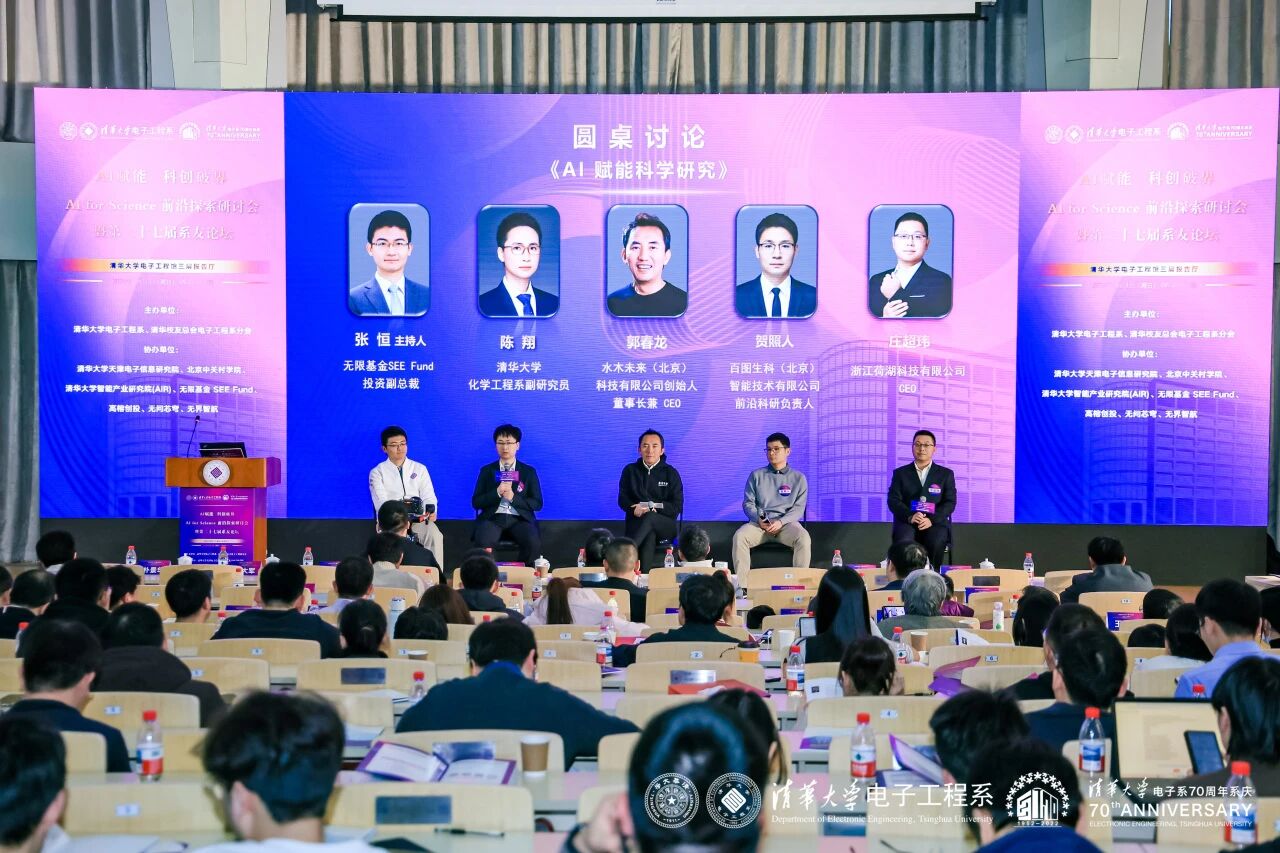
Roundtable discussion
(from left to right: Heng Zhang, Xiang Chen, Chunlong Guo, Zhaoren He, Chaowei Zhuang)
After the coffee break, the "AI-Empowered Frontier Exploration" session began. It was hosted by Yuanxin Zhang, Algorithm Engineer at Douyin Co., Ltd. and Officer of the Department of Electronic Engineering Alumni Association of Tsinghua University. Bei Yu, Professor at the Chinese University of Hong Kong, discussed "The Application of Large Language Models in EDA: Disruption or Bubble?" exploring the evolution of LLM applications in the full EDA process and the future path of "intelligent agents + domain-specific models," addressing controversies over technology implementation. Miling Zhang, Associate Professor at the Department of Electronic Engineering, Tsinghua University, presented "Frontier Advances and Challenges in Brain-Computer Interfaces," sharing her team's multi-dimensional breakthroughs in wireless high-throughput, ultra-low-power brain-computer interface systems and their future application prospects. Wenbo Ding, Associate Professor at Tsinghua Shenzhen International Graduate School, focused on "Embodied Touch and AI4S," sharing technical explorations and thoughts from tactile sensor development to complex object manipulation and generative AI-driven robot scientists. Jinghua Piao, Ph.D. from the Department of Electronic Engineering, Tsinghua University, addressed "AgentSociety: A Large-Scale Socioeconomic Simulator for AI4SS," introducing a generative simulation framework integrating human-like mental model agents and its value in social science research and policy evaluation.
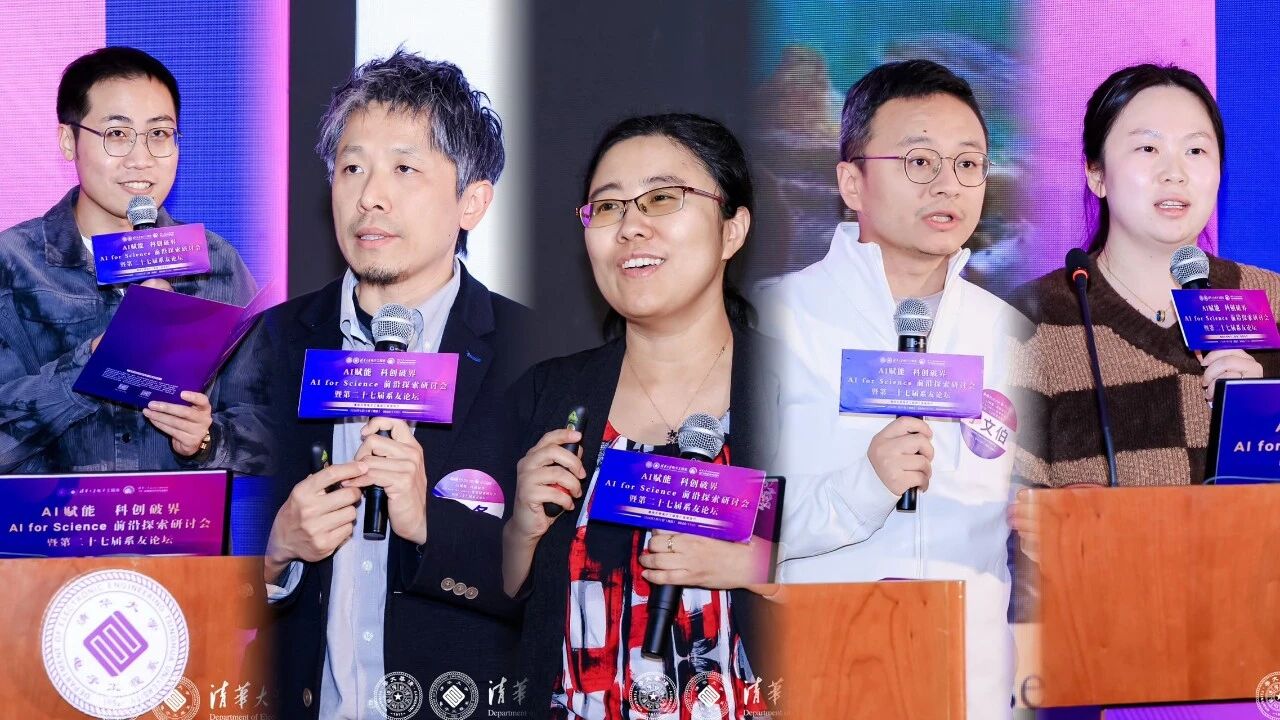
"AI-Empowered Frontier Exploration" keynote presentations
(from left to right: Yuanxin Zhang, Bei Yu, Miling Zhang, Wenbo Ding, Jinghua Piao)
Subsequently, Boxun Li, Technical President of Shanghai Infinigence AI Technology Co., Ltd., hosted a roundtable forum with guests including Zhi Chen, Assistant Professor at Peking University and Vice Dean of the Beijing Institute of Scientific Intelligence; Zhenqi Chen, Founder & CEO of NewRadio Tech; and Yue Wang, Researcher at Beijing Zhongguancun Academy and Co-Founder of Xinzhu AI. The participants engaged in in-depth discussions on key issues such as "breaking through bottlenecks in frontier technology implementation," "AI scientific paradigms," "future large model development and talent cultivation," and "cross-domain resource coordination mechanisms." Combining their own teaching, research, and industry practices, they shared experiences and thoughts on the implementation of AI technologies in frontier fields, reaching multiple consensuses on how to bridge the "last mile" between AI R&D and industrial applications and build a sustainable AI industry ecosystem.
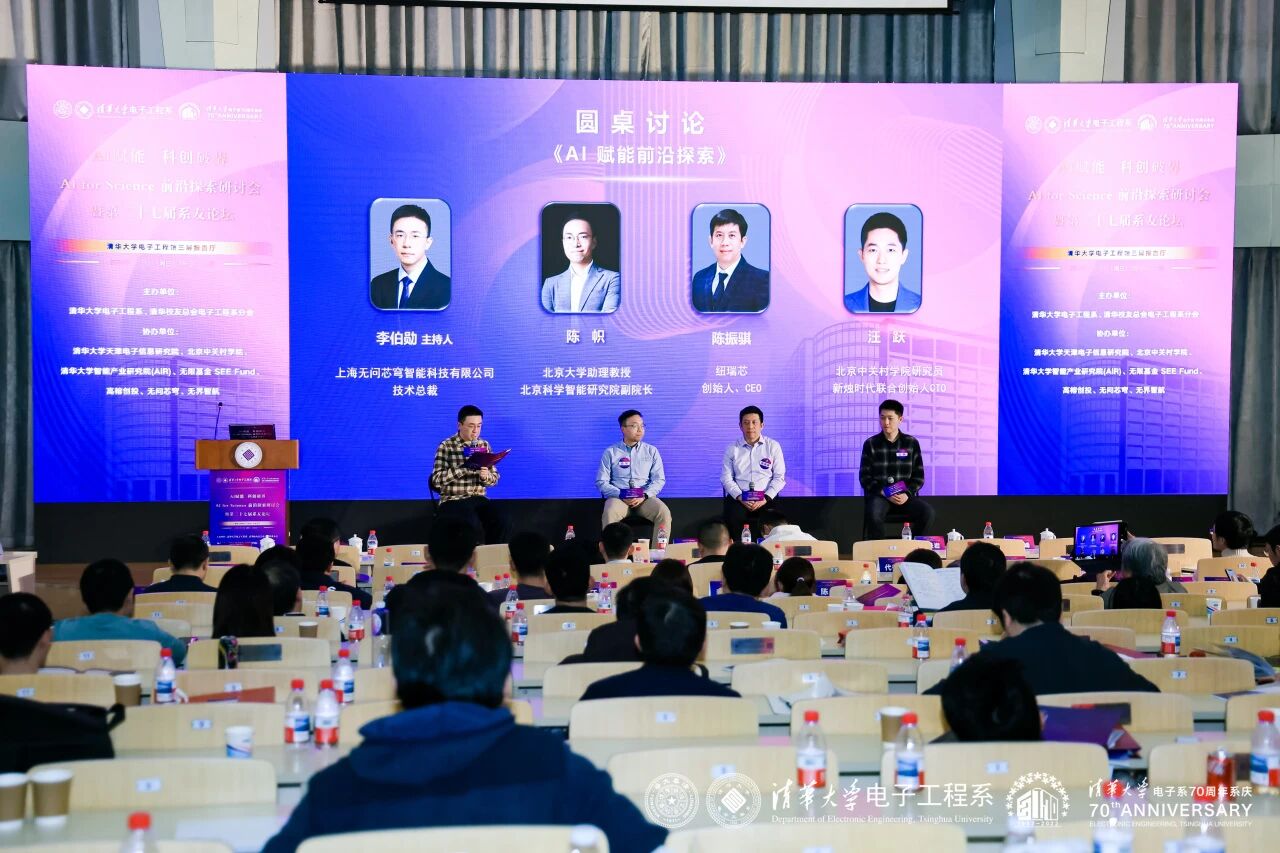
Roundtable discussion
(from left to right: Boxun Li, Zhi Chen, Zhenqi Chen, Yue Wang)
Successful Conclusion: Cross-Sector Collaboration Empowers the Development of New Productive Forces
This forum was both an annual reunion of alumni and a thought feast of cross-border integrated innovation. Through 14 keynote reports and 3 roundtable dialogues, it built an efficient communication platform among academia, industry, investment, and government. It clarified development ideas in the AI for Science field, strengthened university-local government collaboration and the industry-academia-research ecosystem, injected strong momentum into the Department of Electronic Engineering's deepening of the 15th Five-Year Plan and its high-quality development in teaching and research, supported Haidian District in building an AI industry highland, and contributed key strength to the nation's cultivation of new productive forces and realization of high-level technological self-reliance. Going forward, the Department of Electronic Engineering, Tsinghua University, would continue to take "Intelligence in the Physical World" as its core strategy, joining hands with alumni and partners to deeply cultivate the AI for Science field and write a new chapter of cross-border innovation.
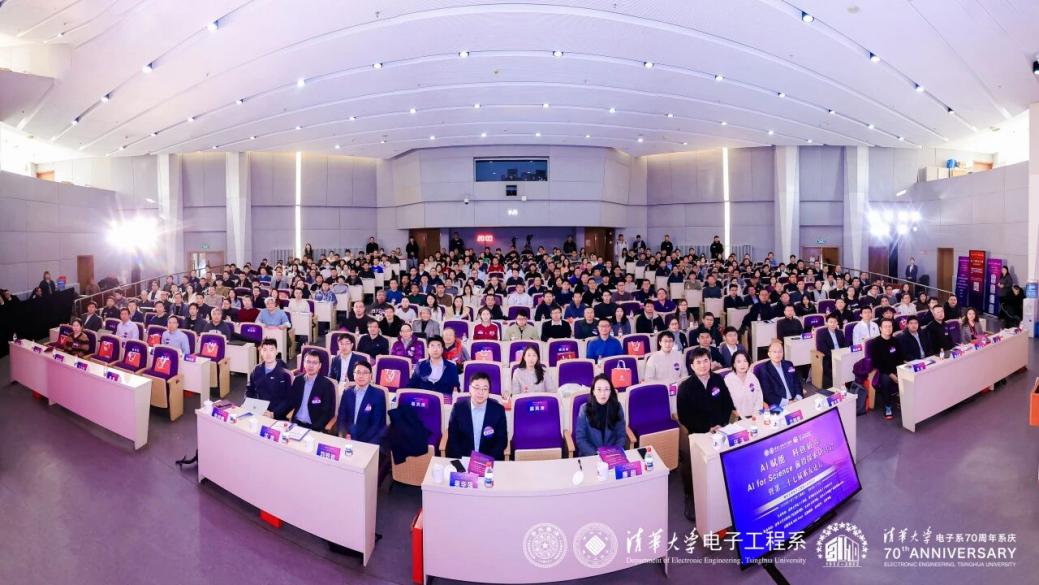
Group photo of the forum
The Tsinghua University Department of Electronic Engineering Alumni Forum is an academic gathering that brings together academia, industry, and alumni. It serves as a communication platform where enterprises from various fields present outstanding reports. The forward-looking and diverse themes of the forum, together with the increasing number of participants year after year, have effectively promoted mutual understanding among industry, academia, and research, shortened the gap between educational theory and practice, enhanced exchanges between technology and capital, and injected momentum into industrial development. Since its first event in 2014, the Alumni Forum has been successfully held 27 times, becoming a platform for exploring academic frontiers and research hotspots, as well as an important bridge connecting electronic engineering alumni with Tsinghua. The 28th Alumni Forum will be held in Shanghai. All professionals in the electronic information field are warmly welcome to stay tuned and actively participate.