原文来自无限之声:
https://mp.weixin.qq.com/s/yBdauMuyS5zUN1i3A-9UQg
Outstanding entries from the 2025 Hardware Design Contest are here! From passionate table football to practical riding helmets, students used their creativity and hard work to build remarkable projects this summer.
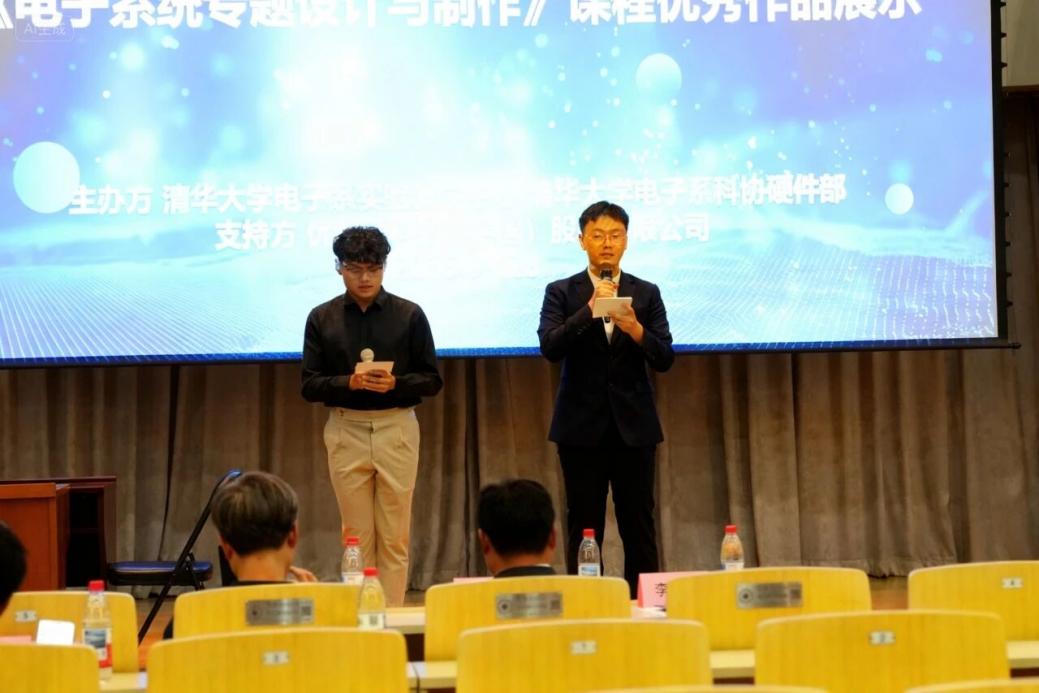
event site
Event Overview
Guided by the principle of advancing academic development and enhancing students’ practical and innovative capabilities through discipline competitions, the integration of contests and coursework has gained widespread popularity on campus. Competitions covering structural design, programming, and entrepreneurship are closely combined with academic courses, serving as vital platforms for students to improve skills and showcase talents. As one of the top ten university-level events, the Hardware Design Contest hosted by the Department of Electronic Engineering plays a vital role in cultivating innovation and scientific literacy.
Co-organized by the Experimental Teaching Center and the Student Association for Science and Technology of the department, the annual summer contest is open to all undergraduates. Novice participants are also welcome. Based on development platforms such as Arduino, the competition introduces students to single-chip microcontroller programming and hardware design fundamentals. Participants form teams of one to three members to develop functional hardware projects with self-selected themes.
This year’s contest maintained close ties with the course Design and Fabrication of Electronic System Projects. After finishing basic experiments, students devoted themselves to creative independent projects, and 15 teams advanced to the final round. A new Livelihood Track was launched in 2025, encouraging students to go deep into communities, address real-life issues, and apply professional technologies to solve practical problems.
Guest Speech
Before the final commenced, Maokun Li, Deputy Chair of the Department of Electronic Engineering, delivered an opening address. He stated that the contest acts not only as a technical arena but also a bridge translating theoretical knowledge into practical skills. He encouraged students to sustain enthusiasm for science and technology and pursue bold exploration and creation.
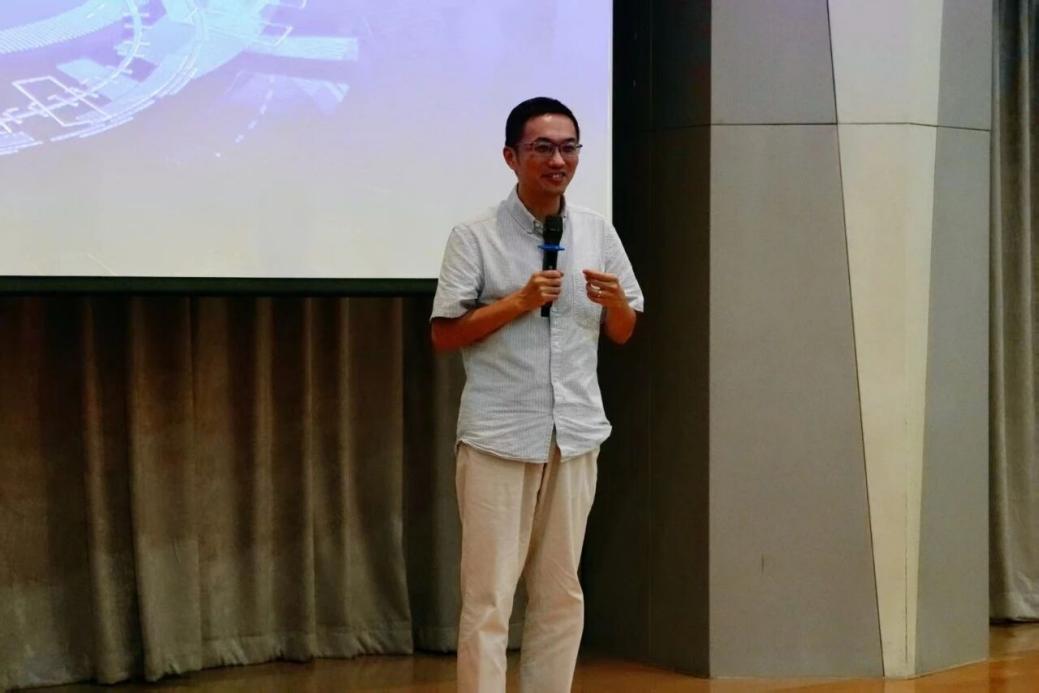
Professor Maokun Li
Award-winning Works Showcase
Fifteen teams competed in the final. After fierce evaluation, 1 Special Prize, 2 First Prizes, 5 Second Prizes, and 7 Third Prizes were awarded.
Special Prize: HexaCubeX Six-sided Light Cube by Boheng Li, Haodian Wei, Shangyue Wei
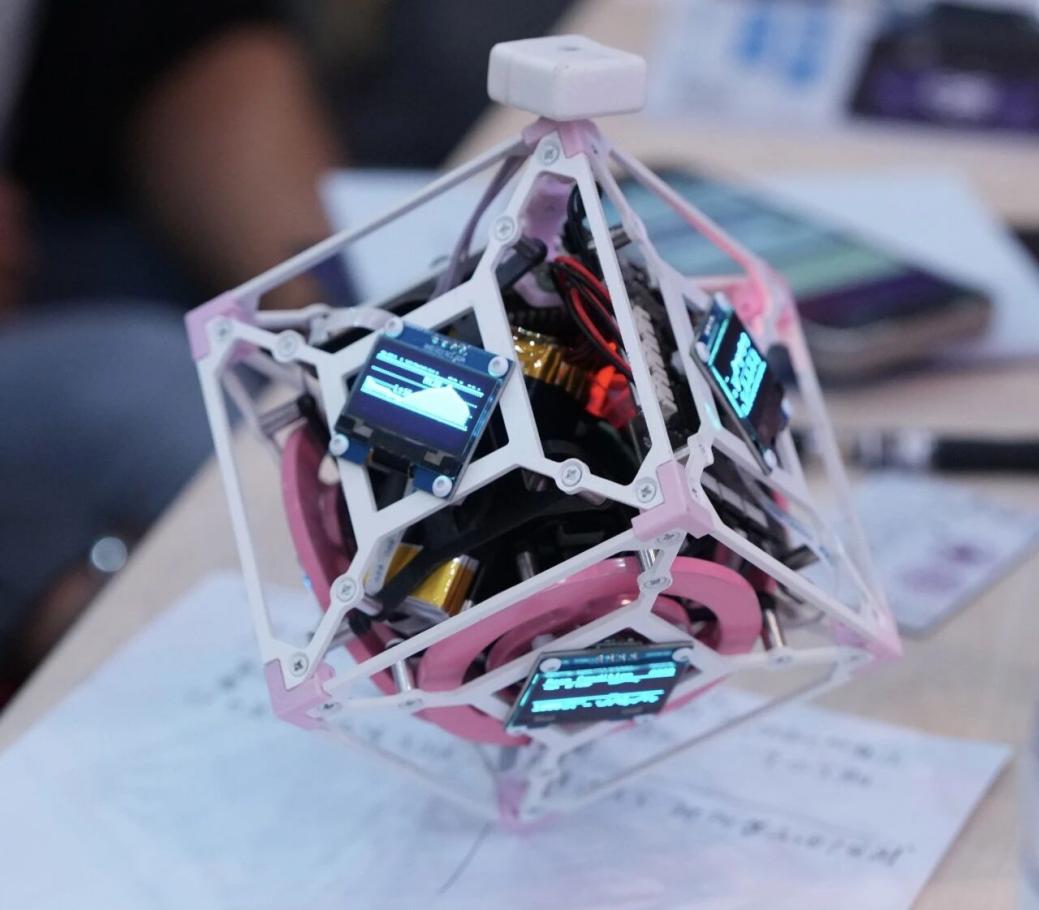
HexaCubeX Six-sided Light Cube is an intelligent display device that blends technology and art. Its core design is a cube that stands on a single point using three momentum wheels. All six sides are equipped with OLED screens, capable of displaying real-time weather, time, environmental data, and other information, offering a rich visual experience. Built-in gesture sensors enable interaction with the device, allowing users to switch screen content with simple hand movements. We firmly believe that the HexaCubeX Six-sided Light Cube is not only a functional smart device but also a futuristic work of art.
First Prize: Rhythm Game Console by Shangwen Zheng
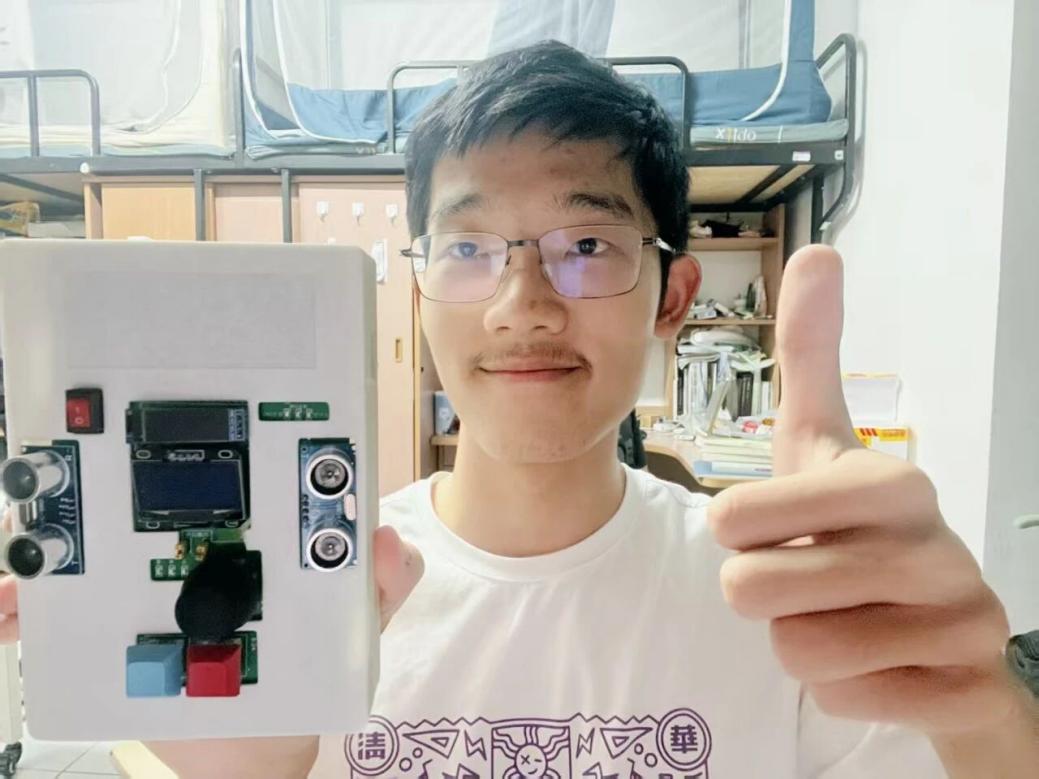
An Arduino-driven music game console that adopts the traditional falling-note rhythm gameplay. In addition to button and joystick detection, it incorporates sweep detection and judgment lighting effects to enhance playability. It also supports custom chart creation and music import, making it a versatile music game console. The main body features an integrated PCB design with a compact structure. After multiple rounds of program optimization, it ensures stable operation and smooth visual effects.
First Prize: Table Football 888, by Luotong Wang, Zhengye Du, Ziyou Jiang
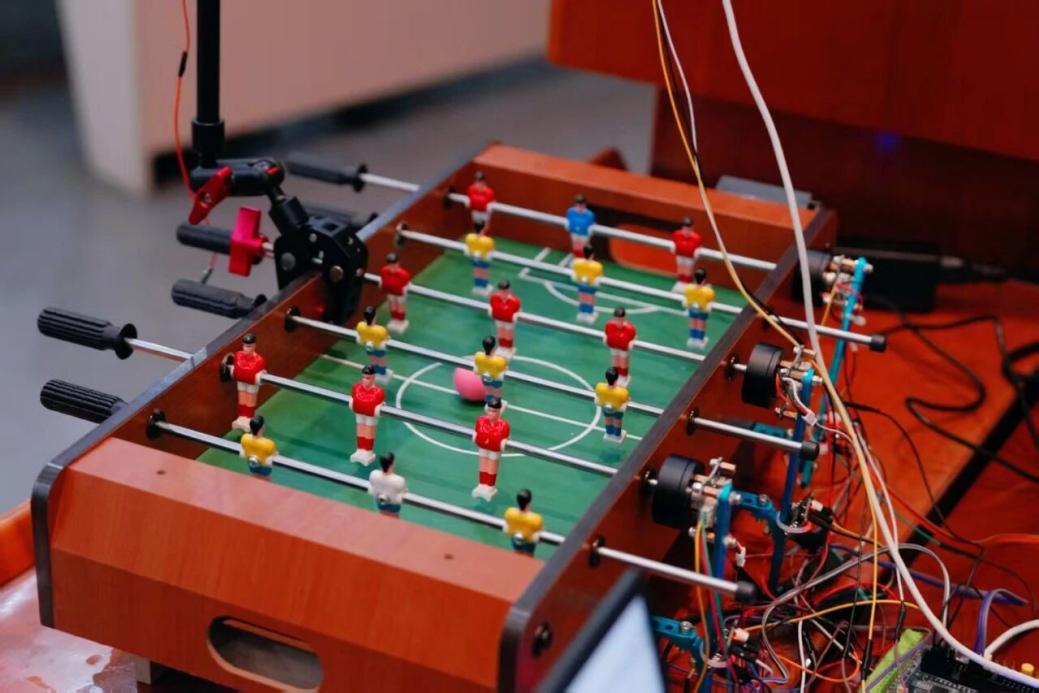
An intelligent table football system equipped with high-precision sensors, high-speed drive motors, and intelligent control modules. It achieves real-time sensing and accurate ball control, delivering a thrilling competitive experience comparable to professional matches. The perfect combination of hardware circuits and algorithms brings exciting interactive sports fun.
Second Prize: Visual Interactive Electronic Keyboard by Haoyang Wu, Yunyi Gou, Boyao Yang
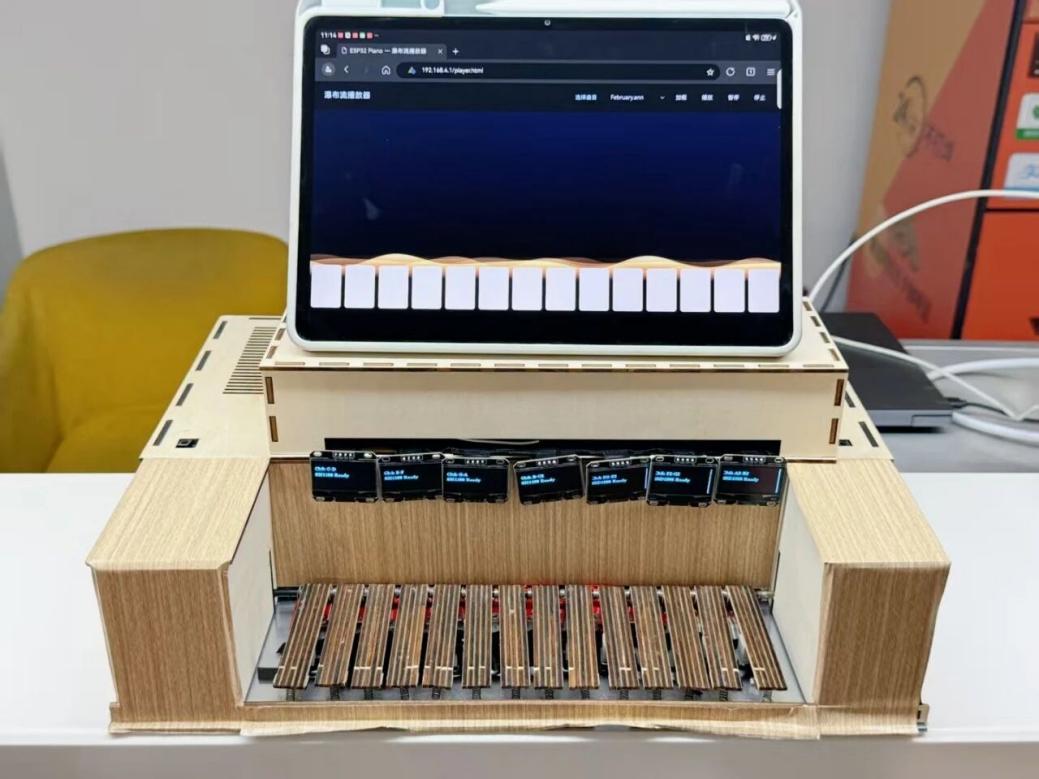
Based on the ESP32-S3, it achieves synchronized waterfall display across seven OLED screens and mobile terminals. The core is equipped with a professional FM synthesis engine, supporting polyphonic chord playing. Through a wireless web interface, users can play on the fly, compose freely, and even convert live performances into visualized musical scores in real time, forming an immersive interactive loop that goes from “listening” to “playing” and then to “creating.”
Second Prize: Cyber Wand by Chen Su, Wentao Qiang, Jieyun Hu
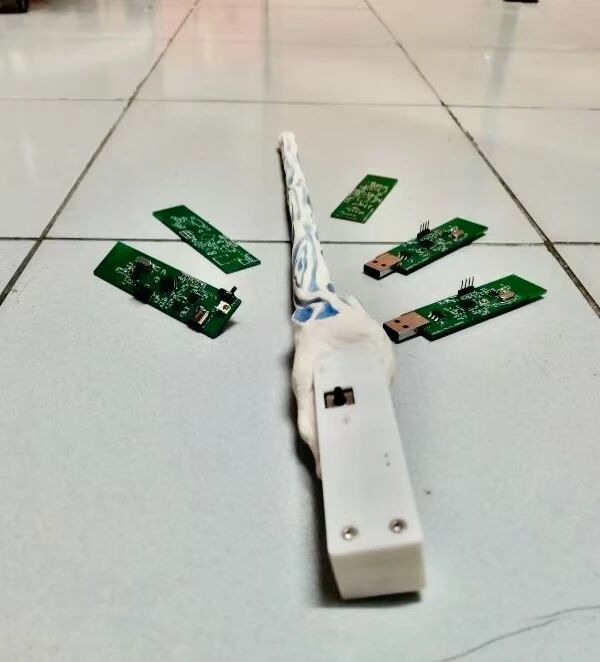
Bringing the magical fantasy of Harry Potter into reality. The team designed and soldered their own circuit boards, integrating motion sensors and wireless communication. Through convolutional neural network training, the wand can accurately recognize specific gestures and ultimately interact with games such as Hogwarts Legacy via a USB port, allowing players to truly “wave the wand to cast spells,” creating a brand-new game interaction method.
Second Prize: Riding Assistant by Chenghao Liu, Guo Li, Yitong Chen
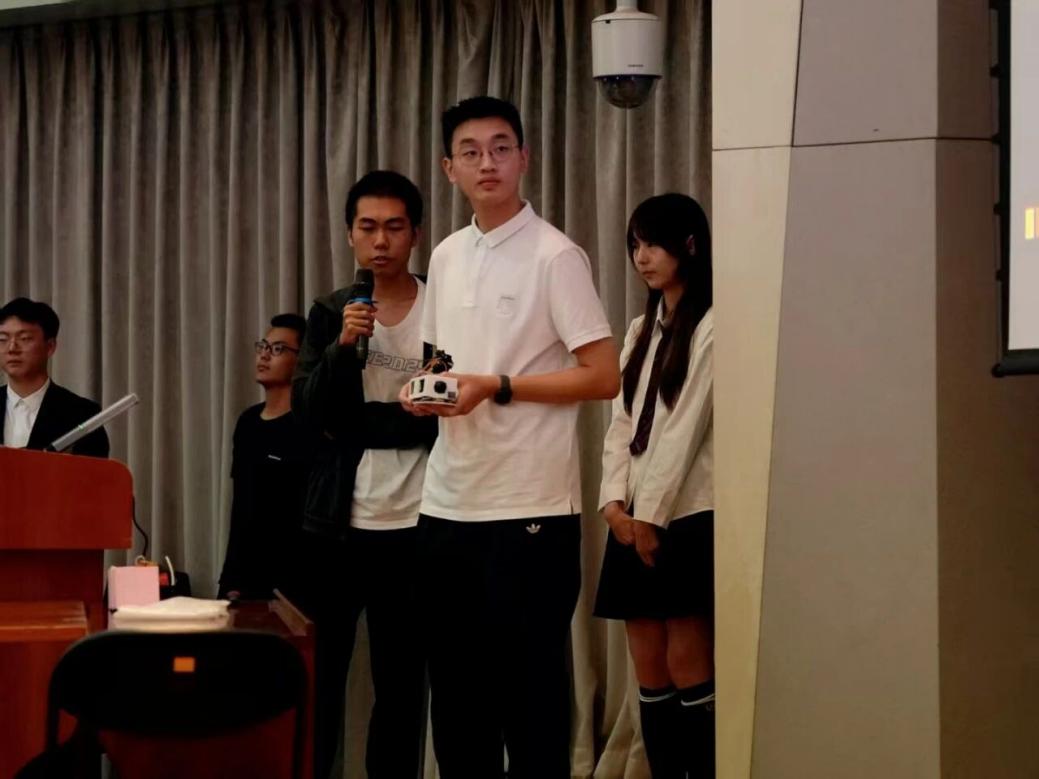
An intelligent riding solution built on a “front-end control + back-end drive” core architecture. It identifies obstacles through visual recognition and provides voice alerts, while a rear screen displays turn signals to warn following vehicles. Integrated with a brushless motor to assist riding, it supports multi-mode speed adjustment and, in coordination with posture monitoring, delivers intelligent protection such as accelerating on uphill sections and decelerating when turning. Additional thoughtful features include voice-controlled photo taking, buzzer-based vehicle locating, and automatic/remote locking.
Second Prize: Turtles Smart Riding Helmet by Daoyi Li, Yiming Zhang, Zhicheng Mao
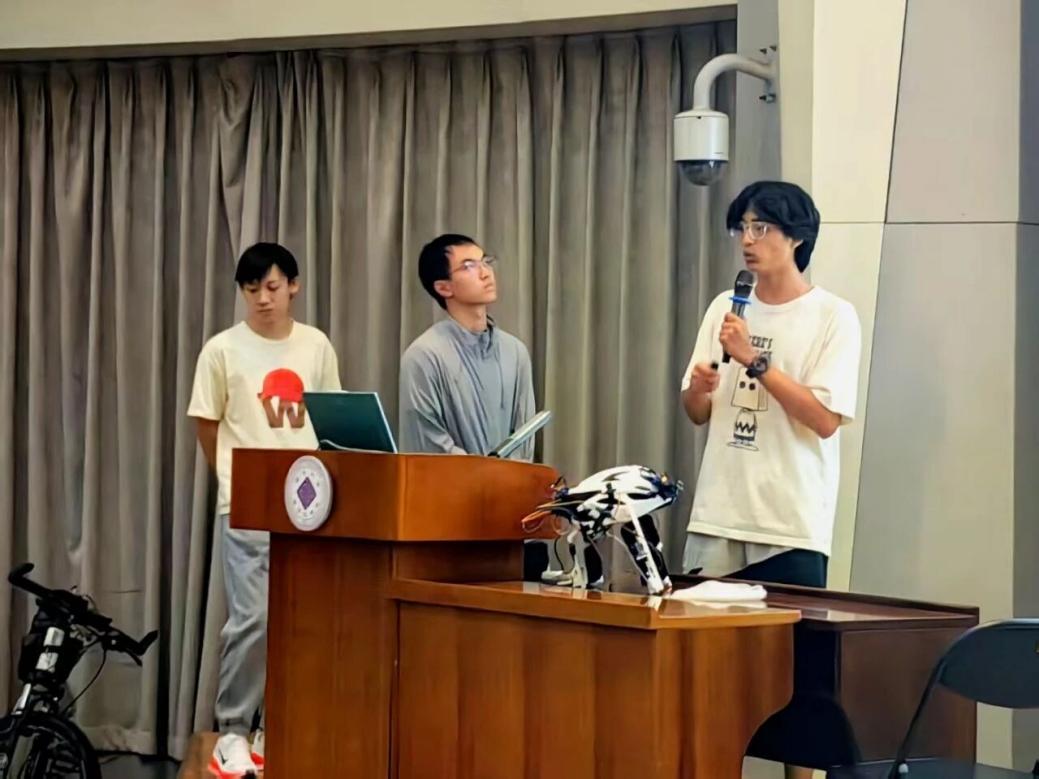
The Turtles helmet is built on the ESP32-WROOM, integrating an ESP32-CAM, an MPU acceleration sensor, a Bluetooth communication module, and a speed measurement module into the helmet and related riding kit, allowing users to view riding data directly, freeing them from reliance on mobile devices and networks. Using 3D printing technology, combined with pressure sensors and servos, the team created automatically retractable mechanical slides that fit snugly against the rider’s face, improving comfort while ensuring safety.
Second Prize: Multifunctional Measuring & Drawing Tool by Xingyan Zhang
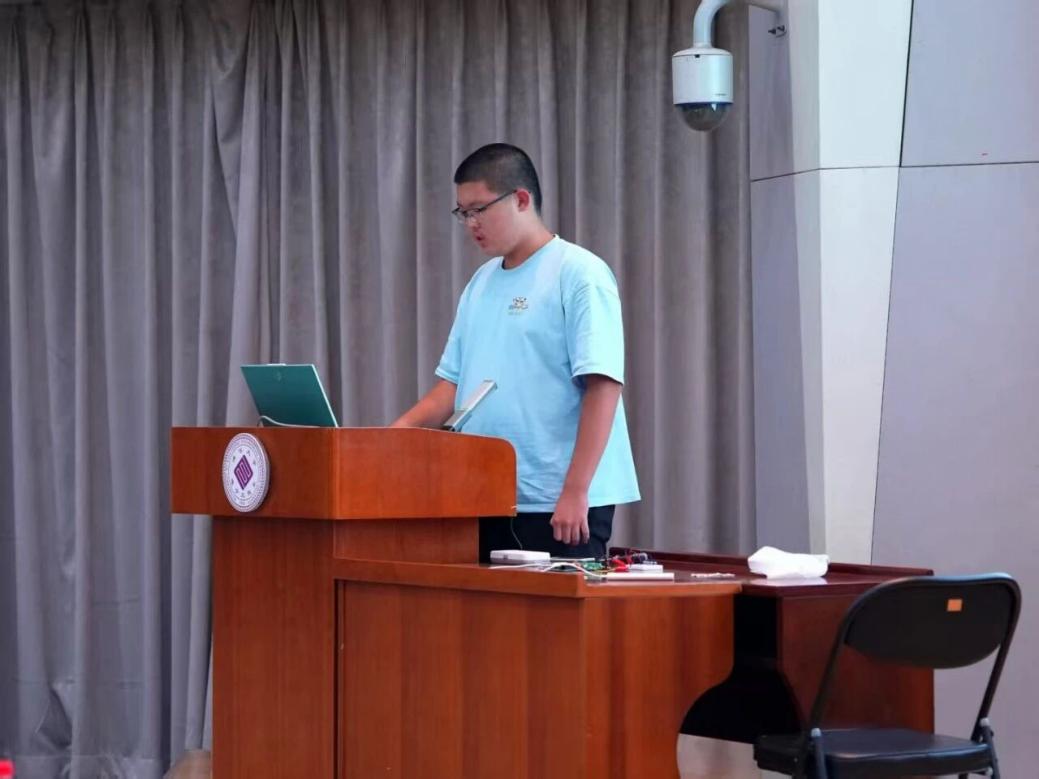
The “Multifunctional Measuring & Drawing Tool” eliminates the difficulty of manually recording data and plotting graphs by automatically collecting, recording, and displaying data in real time. Modeled after an oscilloscope, the physical quantities represented on its two axes are no longer limited to voltage and time; each axis can be independently set to any of four physical quantities: voltage, current, resistance, or capacitance, with manually selectable ranges, enabling intuitive display of electrical experiment data.
This tool can record and simultaneously display up to four different curves for easy data comparison. Each curve can store up to 57 data points, allowing more experimental data to be recorded. During data acquisition and plotting, the Arduino Nano used in the tool first acquires electrical quantities converted by external circuits, calculates the value of the physical quantity to be measured, and displays it numerically on the screen. It then inserts the new point into the existing data points in ascending order of the x-axis value, and finally performs a partial redraw of the graph to update the image. With the help of simple external circuits, this tool can perform electrical experiments such as drawing volt-ampere characteristic curves.
Third Prize: CuteWatch Multifunctional Smart Watch by Jianye Ju, Xiaoyang Liu
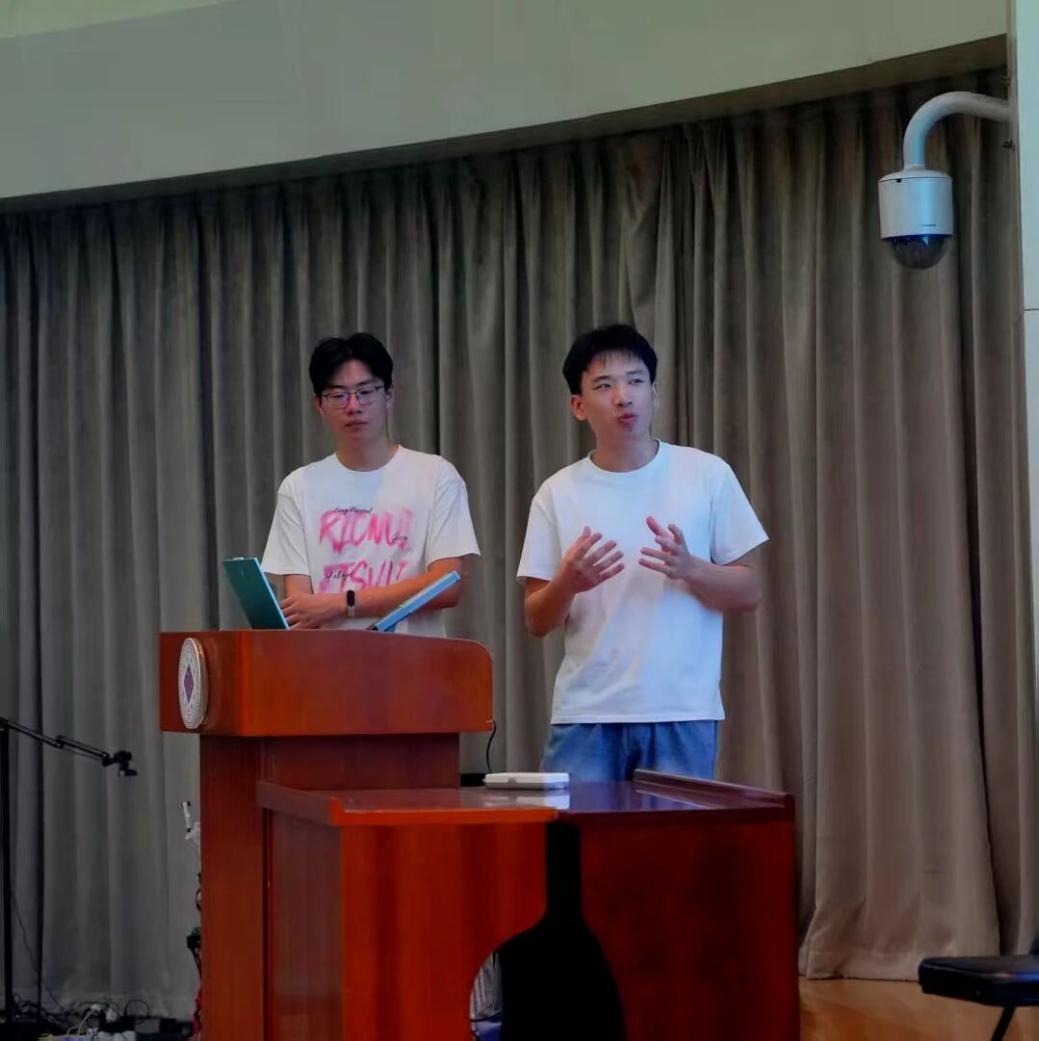
CuteWatch is a portable multi‑functional watch. The home screen UI displays synchronized date and time via an RTC clock, real‑time lithium battery level, and circuit chip temperature. Three physical buttons (forward, backward, confirm) are provided for interaction. From the main menu, users can enter eight functional interfaces: stopwatch, flashlight, games, level gauge/compass, mood tracker, step counter, settings (time setting, dark mode, cursor switch), and return to home screen. Animations are applied to interface switching, cursor movement, and clock digit scrolling to enhance user experience. A long press enters the shutdown screen, and the confirm button controls circuit power‑on initialization. The hardware architecture includes a minimum system board and peripheral modules. The lithium battery is powered via 3.3V regulation. A Micro-USB charging port connects to a TP4056 charger. The OLED, PCB, and 302530 lithium battery form a three-layer structure secured within a 3D-printed case, and a strap is attached to achieve wearability.
Third Prize: Neighbor E-Umbrella: Shared Umbrella Cabinet by Yuanhe Zhu, Kairen Zheng, Hongjin Wu
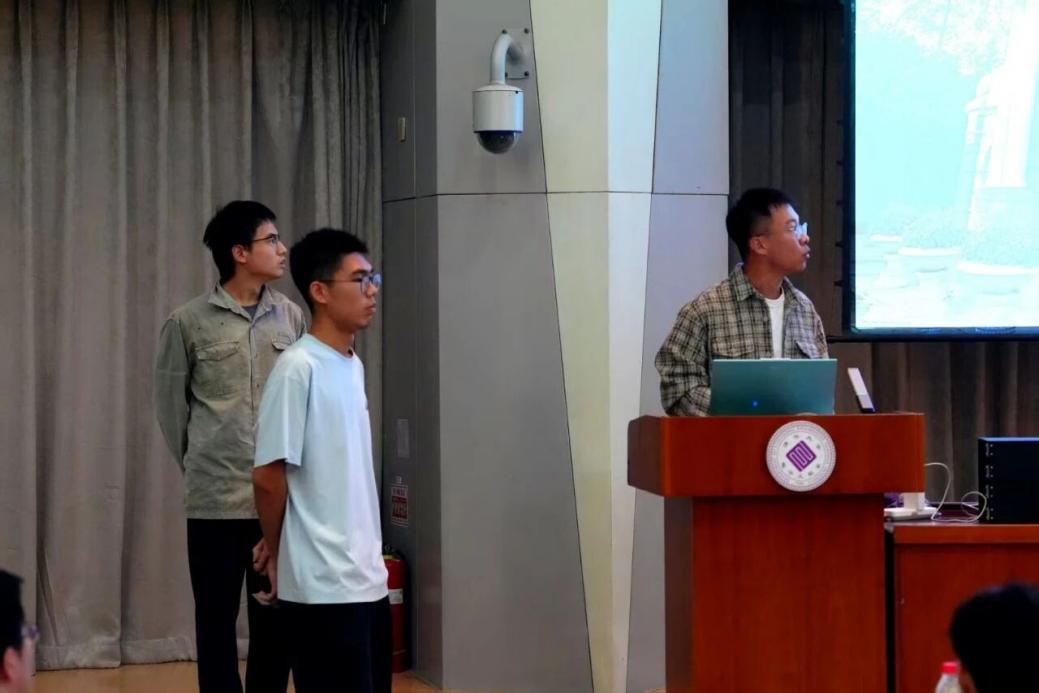
“Neighbor E-Umbrella” is a multi-functional system centered on a shared umbrella cabinet. It integrates several practical features such as weather information lookup and resident feedback, aiming to address the daily needs of community residents while building a communication platform between residents and the neighborhood committee. Whether using the WeChat mini-program on the cloud or swiping a card and tapping the touchscreen at the terminal, users can check the weather, borrow or return umbrellas, and submit feedback through either method, offering great convenience and flexibility.
Third Prize: Bowtie Voice Changer by Yuxuan Liu, Kaixin Wang
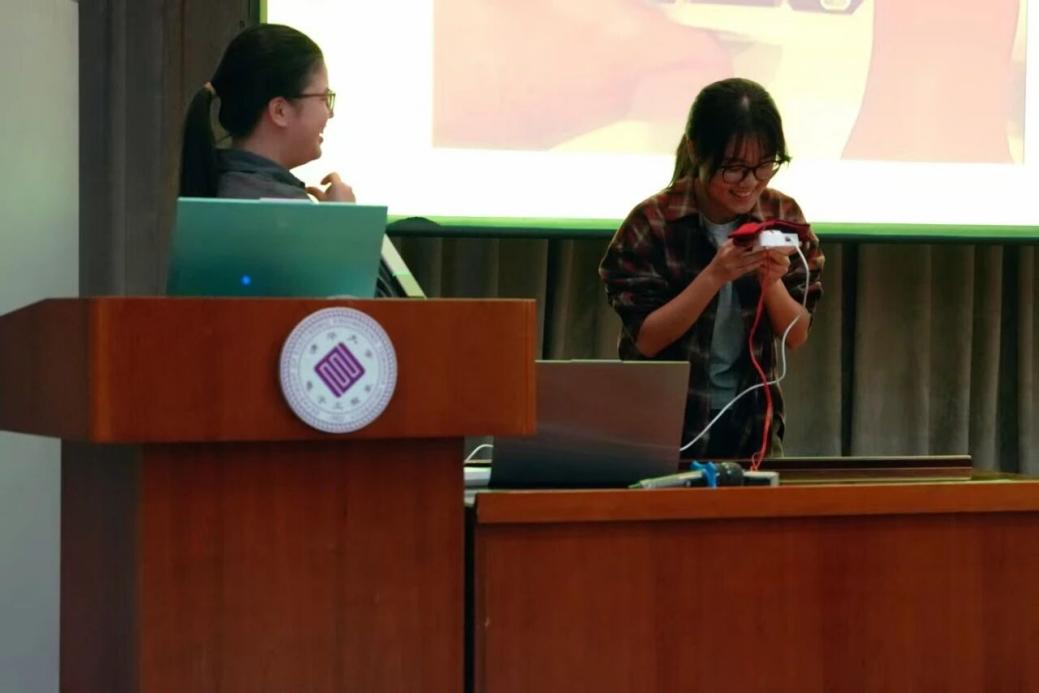
A real-time voice changer inspired by the bowtie voice changer from animated series. It features two main functions: continuous real-time voice transformation and imitation of specific human voices. Users can control the menu via a rotary encoder to adjust pitch parameters and select voice-changing models.
Third Prize: Posture Assistant by Tianran Ji, Yiwen Shen, Yao Yao
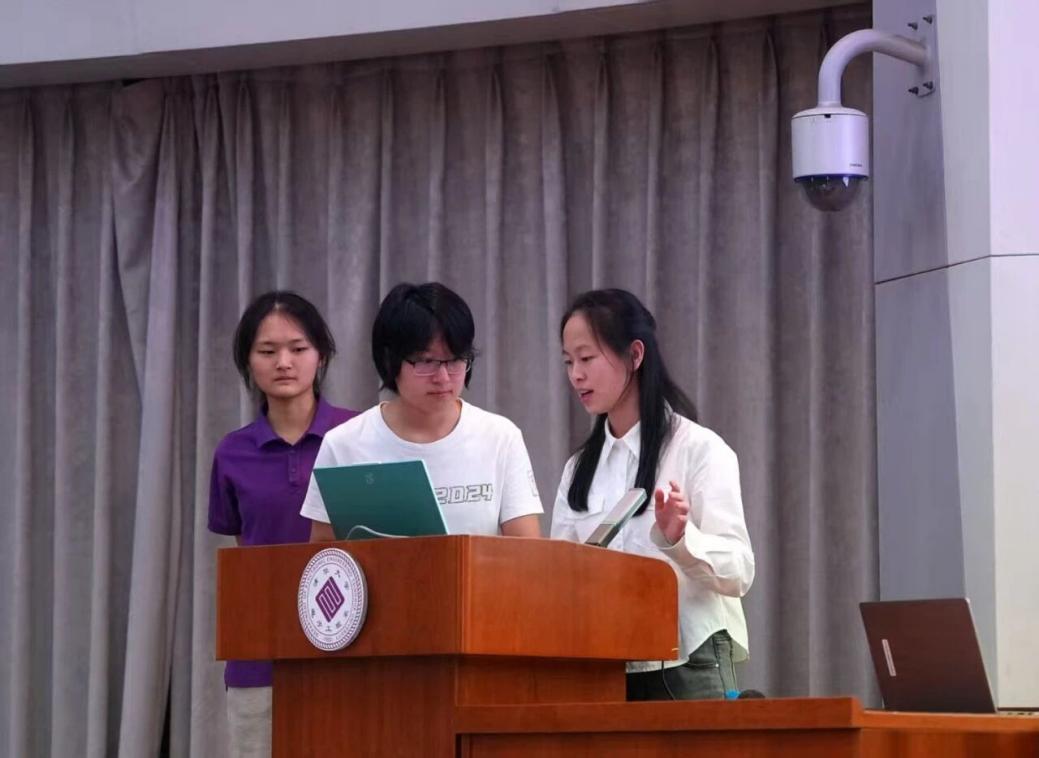
“Posture Assistant” is an intelligent health monitoring assistant for sitting posture, designed to solve the discomfort and limited functionality of traditional wearable monitoring devices, achieving more comfortable and smarter sitting posture management. It offers comprehensive features including real-time accurate posture monitoring, abnormal posture alerts, prolonged sitting reminders, data visualization, and health reports, helping users correct poor sitting habits and maintain good health.
Third Prize: Marking Trolley by Miaotian Rui, Xiaoxiao Zhao, Yishu Wang
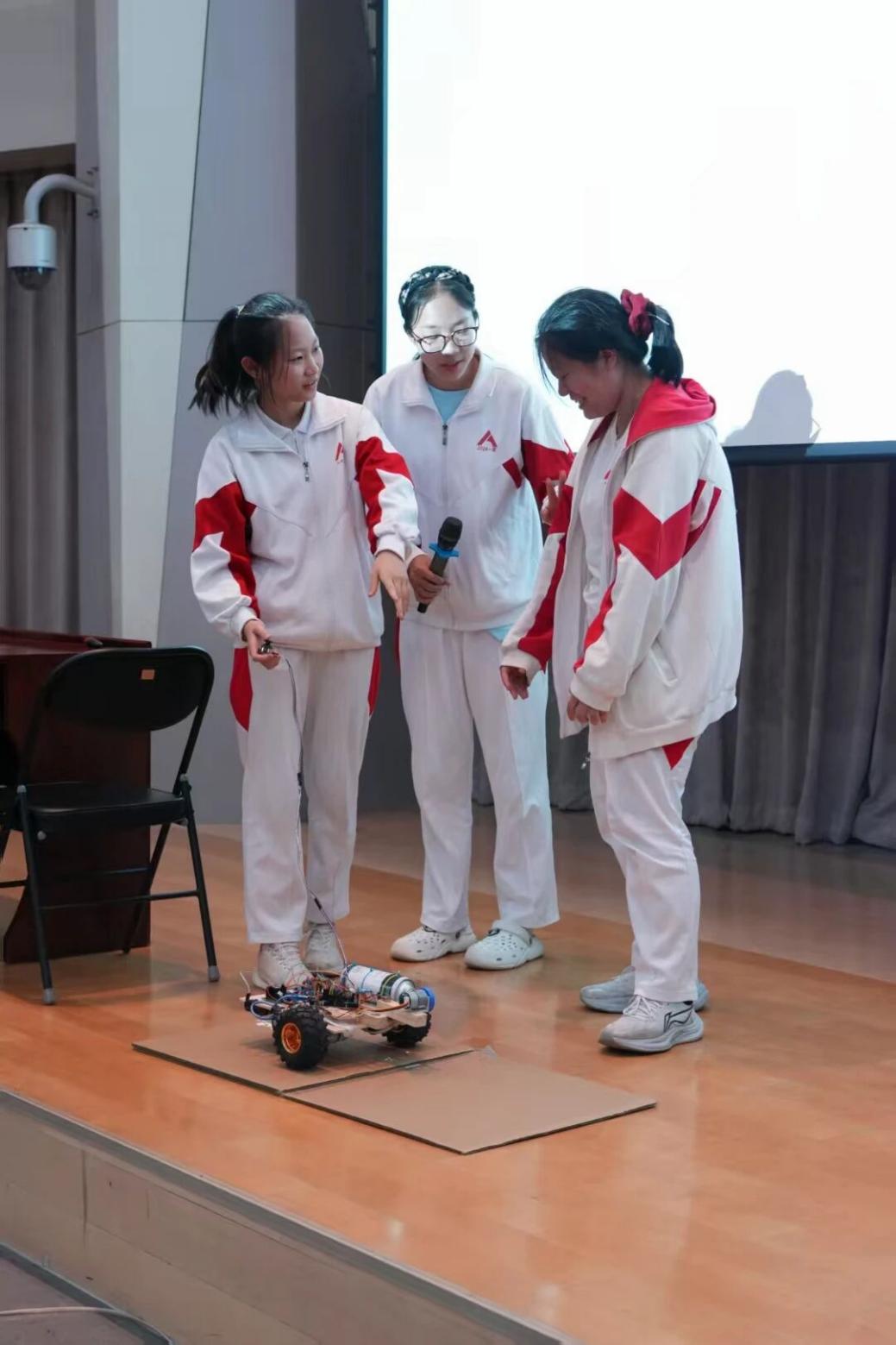
An automatic marking vehicle designed for playground positioning and formation arrangement. Users set marking intervals, with independent or synchronous control of driving and spraying modules. Equipped with geomagnetic sensors, it corrects driving deviation and maintains scheduled routes, featuring low cost and power consumption.
Third Prize: Xhelmet Smart Helmet by Zhuxi Wang, Shengkai Jiang, Chuancheng Yin
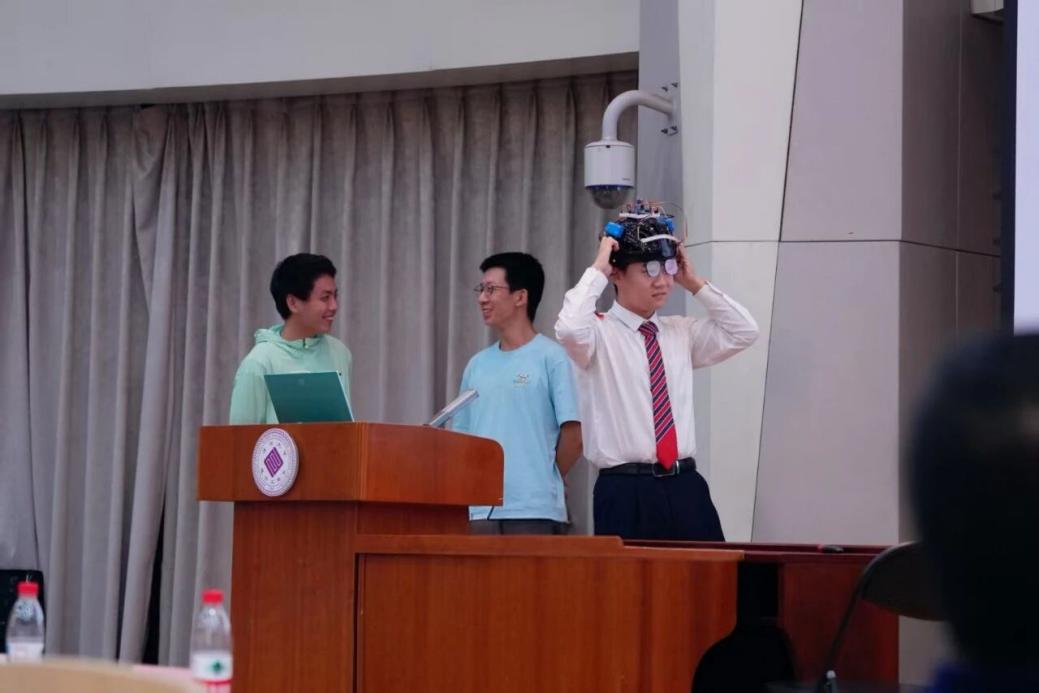
XHelmet is a futuristic smart riding helmet with AR display capabilities. It uses advanced optical waveguide technology to achieve AR display, allowing real-time AR presentation of speed, time, and location information while riding. It includes an independent smart map system that can AR-display the rider’s surrounding map and the rider’s position on the map. It also features a smart lighting system that automatically controls the headlight, brake light, and turn signals based on ambient light levels and acceleration. Additionally, it has functions such as ride recording and rear-approaching vehicle detection.
Third Prize: Universal Intelligent Robotic Arm by Yunhao Hu, Yu Lei, Xiaobin Lian
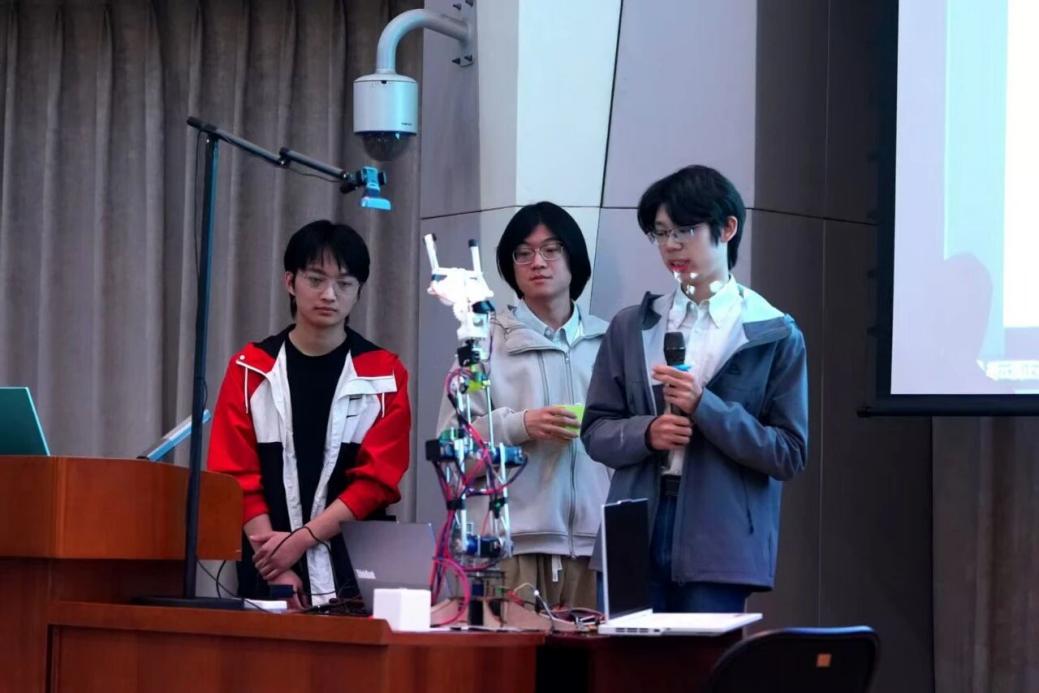
The Universal Intelligent Robotic Arm is a future‑oriented six‑axis robotic arm. It offers precise and flexible movement, easy‑to‑use programming and debugging functions, simple interconnectivity, and deeply integrated visual recognition algorithms. It addresses the pain points of traditional robotic arms, such as lack of environmental perception, high programming barriers, and poor connectivity. It can be applied in fields including industrial production, medical treatment, and education. It is a key product that helps drive the evolution from the age of automation to the age of intelligence.
Livelihood Track
As an important innovative section of this yea’s contest, the Livelihood Track actively responds to the “Hai-Qing” community service initiative jointly launched by Tsinghua University and Haidian District. It guides students to go deep into grassroots communities such as Zhongguancun Subdistrict, identify practical problems through field research, and use electronic technology to propose feasible solutions.
The final defense of this track was successfully held on September 27 in Room 9-208, Rom building. The final award results are as follows:
Special Prize:
Kaiyi Mao’s group: Lord of Hand: Hand Sign Language Recognition System
First Prize:
Xinyu Wang’s group: Health Monitoring & Elderly Companion System
Second Prize:
Yuhang He’s group: Smart Garden Integrated System
Yadi Xiao’s group: Intelligent Food Cabinet System
Third Prize:
Zhuoding Liu’s group: Smart Plant Monitoring System
Shengjie Quan’s group: Smart Building Lobby System
Keming Qin’s group: Chip-Sprout Smart Garden System
Ruiqi Fang’s group: Interactive Quadruped Robot Pet
Keyang Zhang’s group: Smart Building Patrol System
Ruotong Liu’s group: Smart Desktop Pet Set
These works cover multiple areas of public livelihood, including health management, community services, and home safety, fully reflecting Tsinghua students’ sense of responsibility and commitment to caring for society and serving the people with technology.
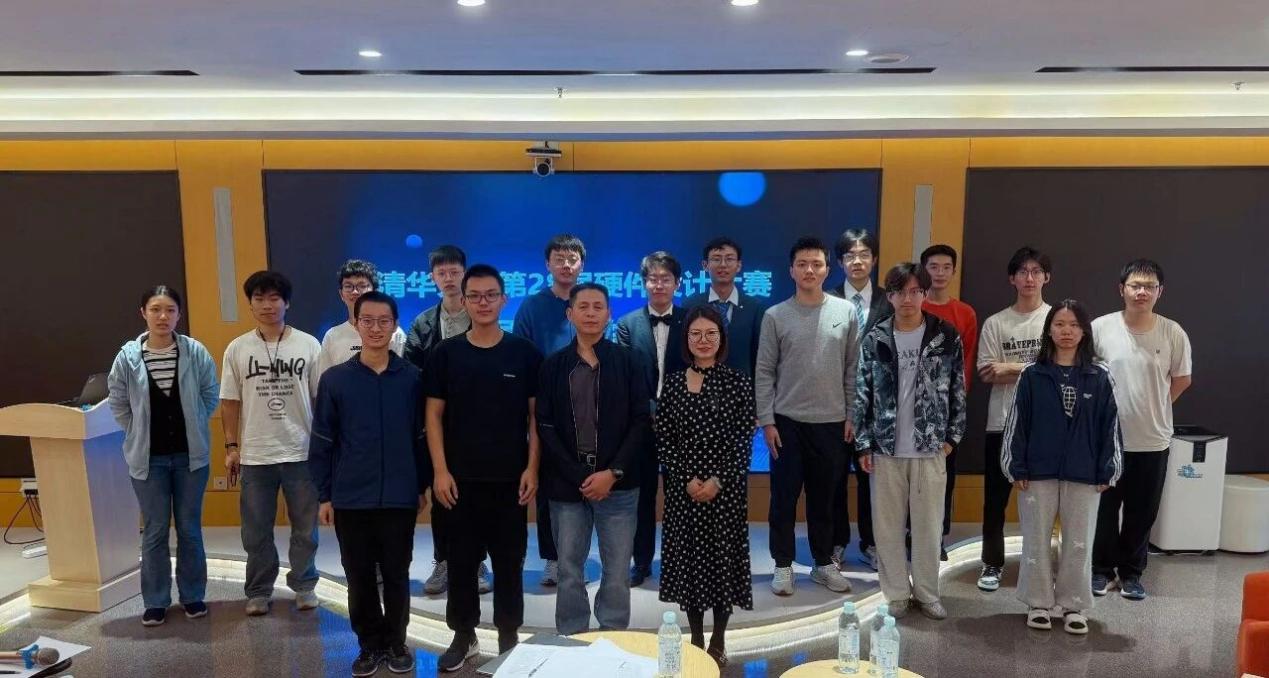
roup photo of the Livelihood Track
Closing Remarks
After the contest, Yihang Liu, President of the Tsinghua University Student Association for Science and Technology, congratulated the Department of Electronic Engineering on the successful holding of the 28th Tsinghua University Hardware Design Contest. He praised the participants for their outstanding achievements in a short period of time, emphasized the university’s concept of integrating contests with coursework, and encouraged students to apply classroom knowledge to real-world projects. Senior Liu stated that the student association for science and technology would continue to support such outstanding projects, promoting the combination of classroom learning and extracurricular technological innovation, using competitions to drive learning and hands-on practice to drive learning.
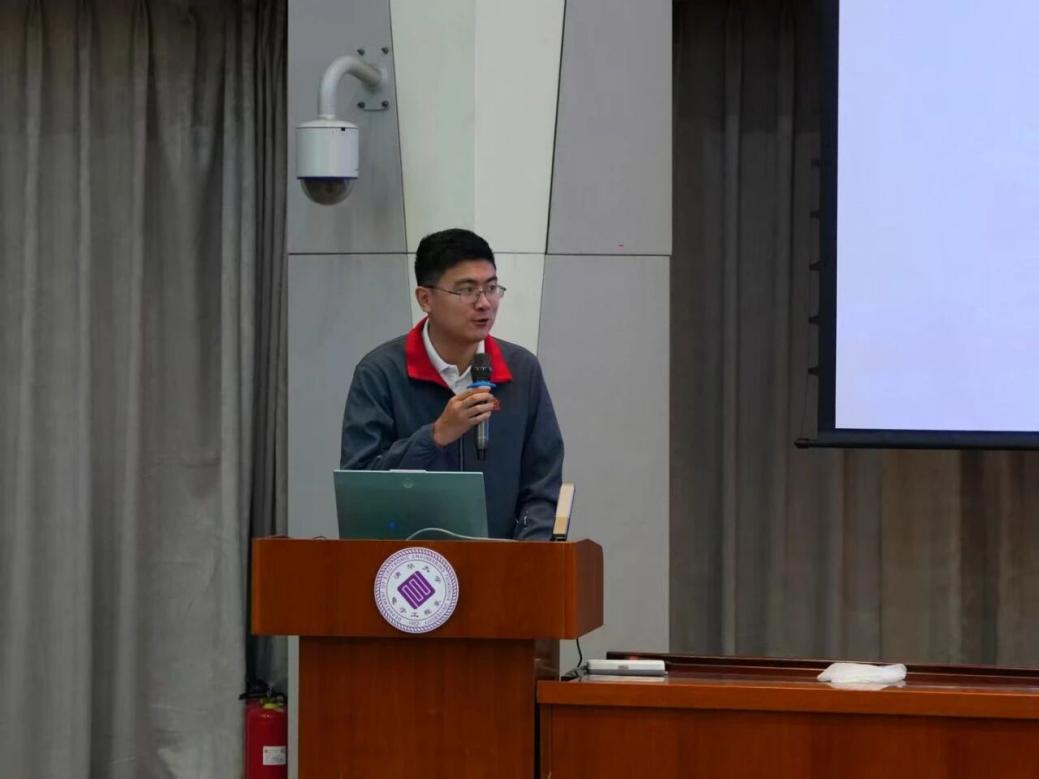
Yihang Liu
Subsequently, Mr. Xiping Chen, North China Instrument Sales Director of UNI-T Technology (China) Co., Ltd., expressed high appreciation for the innovative works of the contestants in his concluding remarks. He shared the company’s development philosophy of integrating industry, academia, and research, and sincerely invited Tsinghua students to join UNI-T to jointly explore technological frontiers and solve practical industrial challenges.
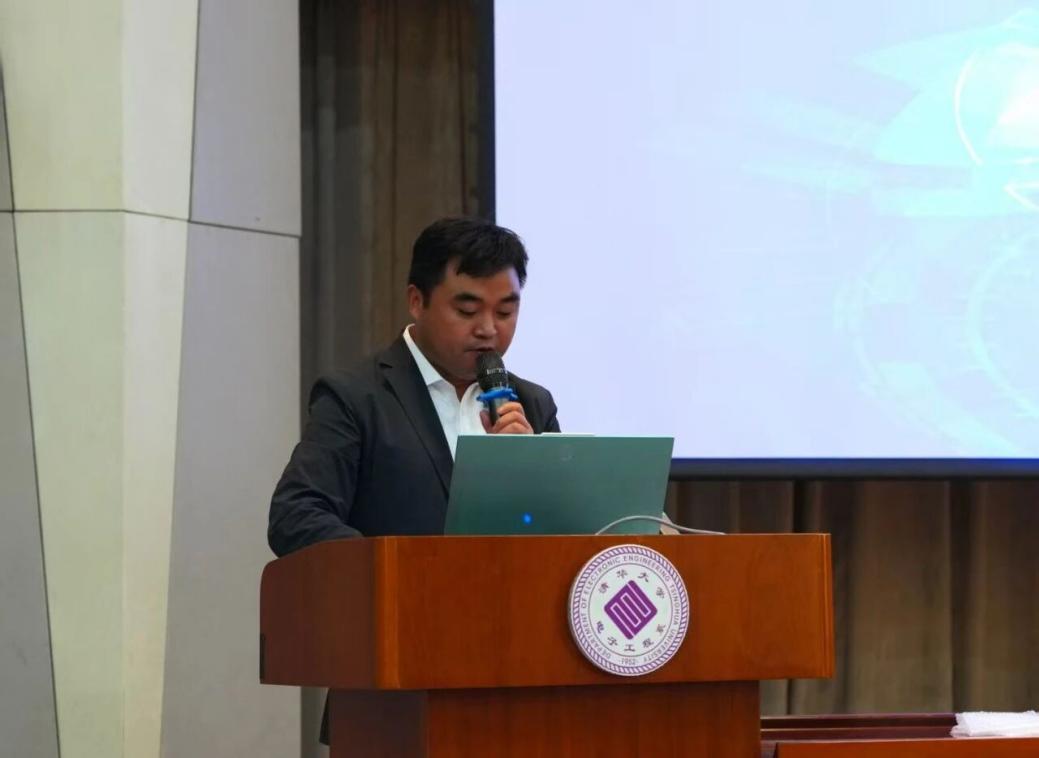
Xiping Chen
Epilogue
The Hardware Design Contest, which lasted more than two months, has come to an end. Yet the images of students debugging in the lab and their confident smiles during presentations have become the most memorable moments of this summer. Our sincere thanks go to all the contestants for their wholehearted efforts, to the instructors for their careful guidance, to the staff and volunteers for their silent dedication, and to UNI-T Technology (China) Co., Ltd. for their generous support of the event.
Hardware Design Contest, see you again next year!